

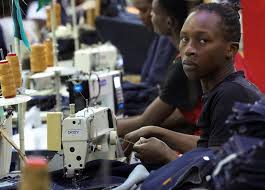
Kenya could lose a vital economic lifeline as the African Growth and Opportunity Act (AGOA) is set to expire on September 30, ending the country’s duty-free trade access to the U.S.
The apparel sector, which employs 66,000 Kenyans directly and supports nearly 660,000 livelihoods, would be hit hardest. The loss of AGOA would weaken Kenya’s competitive edge against countries like Bangladesh, Vietnam, and Egypt.
In response, the Kenyan government has dispatched Trade Minister Lee Kinyanjui to Washington to push for an extension. However, with the deadline looming, urgent and sustained diplomacy is crucial.
READ ALSO: Kenya-Tanzania Row Escalates Over Ban on Foreign Traders
If AGOA is not renewed, Kenya will need to pivot quickly. A Kenya–U.S. Free Trade Agreement (FTA) could provide the predictability investors need and safeguard Kenya’s position in global supply chains.
Meanwhile, a mitigation package is necessary to protect factories, preserve jobs, and shield the economy from sudden tariff shocks until a long-term solution is reached.
Beyond textiles, Kenya’s economic future depends on diversifying exports, including value-added agricultural goods like nuts and horticulture, which remain in high demand in the U.S., the world’s largest consumer market.
READ ALSO: British Soldiers Still Using Sex Workers in Kenya Despite Ban – Inquiry
With bold and coordinated action, Kenya can turn this challenge into an opportunity for industrial and agricultural growth.

Esther Ososanya is an investigative journalist with Pinnacle Daily, reporting across health, business, environment, metro, Fct and crime. Known for her bold, empathetic storytelling, she uncovers hidden truths, challenges broken systems, and gives voice to overlooked Nigerians. Her work drives national conversations and demands accountability one powerful story at a time.