
Nigeria could stand to gain from the sharp surge in global oil prices triggered by escalating conflict involving Israel, the United States and Iran, according to senior market analyst Matthew Anthony.
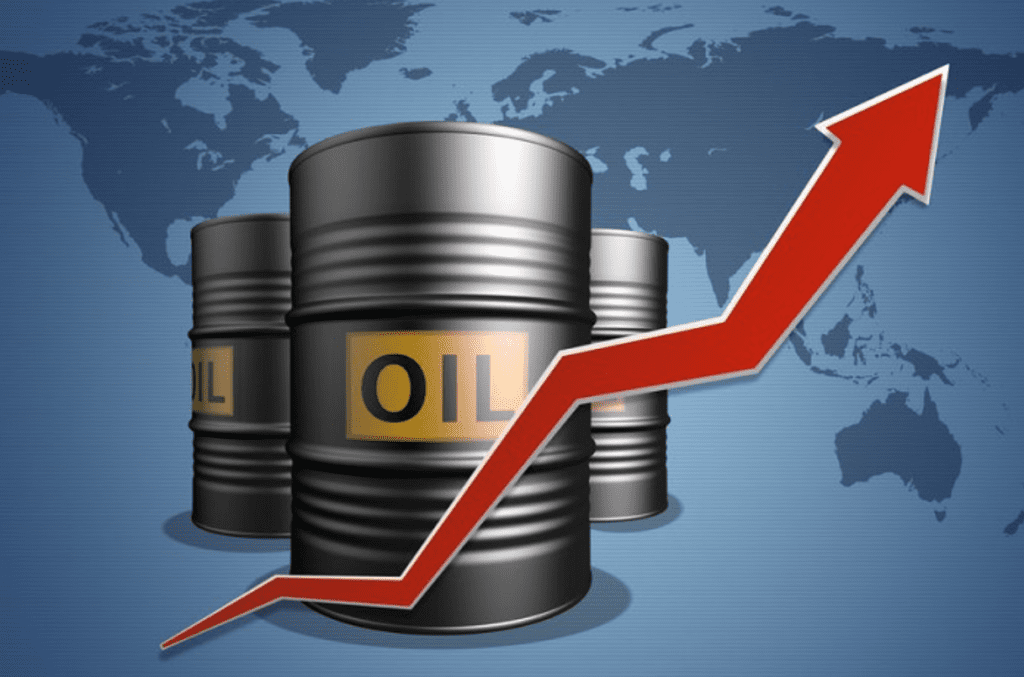
Oil prices spiked to just above $120 over the weekend as the conflict intensified and key energy installations were targeted, tightening supply and pushing energy markets higher.
Anthony said the rally in crude prices could present an opportunity for major oil producers such as Nigeria if the country can manage the inflationary pressures that typically accompany rising energy costs.
“Major oil-producing nations like Nigeria may profit from this conflict provided they can put a lid on inflation and use the windfall for critical budget needs while preparing for potential market shocks,” Anthony said.
The surge in prices has been exacerbated by the effective closure of the Strait of Hormuz, a key global shipping route through which about 20 per cent of the world’s oil supply passes.
In response to the tightening supply situation, major oil suppliers are expected to meet soon to discuss releasing oil from their strategic reserves.
He stressed that in commodity markets, crude prices have jumped more than 25 per cent as several Middle Eastern producers curtailed output.
Brent crude has risen roughly 30 per cent this month, pushing its gains for 2026 to more than 70 per cent, while US benchmark West Texas Intermediate has climbed nearly 80 per cent year-to-date.
READ ALSO:
- Risks, Opportunities US-Iran War Poses for Nigeria
- Seplat Revenue Jumps 144% After ExxonMobil Assets Acquisition
- Iran–US–Israel War: CPPE Flags Inflation Threat to Nigeria
- Stakeholders Call for Stronger Women’s Participation in Nigeria’s Capital Market
- Jaiz Bank Appoints Omolara Ismail as Executive Director
Anthony noted that the last time oil benchmarks traded above $100 was in 2022 during the Russia-Ukraine war, when geopolitical tensions and pandemic-related supply disruptions drove inflation sharply higher around the world.
He said while higher crude prices could strengthen revenues for oil exporters such as Nigeria, global financial markets have reacted nervously to the escalating conflict.
According to him, a wave of risk aversion swept through markets on Monday as investors sought safer assets.
Asian equities plunged, European markets opened sharply lower and US equity futures signalled a negative start as traders assessed the fallout from the crisis.
Anthony also noted that currency markets reflected the shift to safety, with the US dollar and Swiss franc supported by strong demand.
He said the Canadian dollar has emerged as the best-performing major currency this month, appreciating against every G10 peer due to its sensitivity to oil price movements.
Meanwhile, gold ended last week in losses despite the broader risk-off sentiment and a disappointing US labour market report.
Non-farm payrolls fell by 92,000, marking the largest monthly decline since October 2025, while the unemployment rate rose to 4.4 per cent.
He also noted that gold has remained within a daily range, pressured by a stronger U.S. dollar and inflation concerns stemming from rising energy prices.
He said the surge in oil has reignited fears of higher inflation, prompting markets to reassess expectations for interest rate cuts.
Traders are currently pricing a 50 per cent chance that the U.S. Federal Reserve will cut rates twice in 2026.
Upcoming inflation data, including the February Consumer Price Index and the January Personal Consumption Expenditures index— the Fed’s preferred inflation gauge—may provide further insight into the trajectory of price pressures.
Anthony believes that if inflation data reduces expectations for rate cuts, the dollar could strengthen further, potentially putting additional pressure on precious metals.
Looking at market charts, he said a weekly close below $5,000 could signal a steeper decline in gold prices, although buyers may step in if that level proves to be a reliable support.

Alex is a business journalist cum data enthusiast with the Pinnacle Daily. He can be reached via ealex@thepinnacleng.com, @ehime_alex on X