

Africa is beginning to feel the economic consequences of the escalating Middle East conflict as the United States and Israel continue to launch attacks on Iran, triggering fresh volatility in global oil markets.
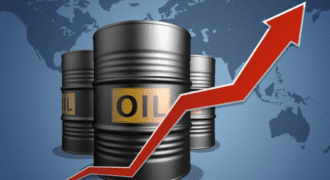
The tensions have already pushed oil prices up by about 10 percent, raising concerns across African economies that remain heavily dependent on fossil fuels. Analysts warn that the situation could worsen following the temporary disruption of the Strait of Hormuz, a narrow 38-kilometre corridor through which roughly one-fifth of the world’s oil supply passes.
Any prolonged disruption along this critical route could push global crude prices above $100 per barrel, placing additional pressure on energy-importing nations across the continent.
Experts say the development once again exposes Africa’s vulnerability to global energy shocks and underscores the urgent need to accelerate the transition to renewable energy.
Africa’s Heavy Dependence on Fossil Fuels
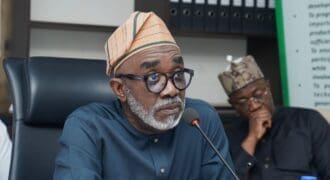
Speaking with Pinnacle Daily, Olamide Martins, Associate Director of Extractives and Environment at Corporate Accountability and Public Participation Africa, warned that Africa’s reliance on imported fossil fuels continues to expose its economies to external shocks.
According to him, the ripple effects are already being felt by households and businesses across the continent.
“The toll on Africa is immense. Households face rising fuel costs, food inflation is climbing, and even oil-exporting countries remain vulnerable to volatile global markets,” Martins said.
“This situation highlights the urgent need for Africa to rethink its energy dependence.”
For many African countries that rely heavily on imported petroleum products, the consequences could be severe. Nations such as Kenya, Ghana, and Uganda may experience sharp increases in transportation and production costs as global oil prices continue to climb.
Although oil-exporting countries may see short-term gains from higher crude prices, Martins cautioned that such benefits are often temporary because global oil markets remain unpredictable.
Renewable Energy as Africa’s Path to Independence
Martins stressed that Africa’s vulnerability to global energy disruptions is avoidable if governments prioritise investments in renewable energy.
He noted that the continent possesses enormous untapped clean energy potential, ranging from the sun-rich deserts of the Sahel, strong coastal wind corridors, and vast hydropower resources in the Congo Basin.
“Africa has the resources to achieve energy independence,” Martins said.
He pointed to the Africa Renewable Energy Initiative as a key continental programme that could help accelerate Africa’s transition toward sustainable energy.
“If fully harnessed, initiatives like AREI can reduce reliance on imported fuels, expand energy access, and lower electricity costs for households and businesses,” he explained.
Beyond improving energy security, investments in renewable energy could also stimulate economic transformation across the continent. Clean energy projects have the potential to create jobs, boost industrialisation, and diversify national economies.
Emerging sectors such as green hydrogen production and other clean-technology industries could also position African countries to benefit from the rapidly expanding global green economy.
Nigeria’s Energy Model Faces Critical Questions
Africa’s largest economy, Nigeria, remains particularly exposed to oil market volatility despite being a major crude producer.
Martins pointed to lessons from the COVID-19 pandemic, when falling global demand left Nigerian crude shipments stranded and government revenues sharply reduced.
According to him, relying heavily on oil income to finance public spending exposes the country to unnecessary economic risks.
“Relying on oil revenues for public spending or speculative exploration exposes Nigeria to unnecessary risks,” he said.
He urged the country to develop long-term financing mechanisms that are not tied to fluctuations in oil prices, while also investing more aggressively in sustainable energy and industrial development.
Such reforms, he noted, would help Nigeria build a more resilient economy capable of withstanding global energy disruptions.
READ ALSO:
- U.S.-Iran War: More Pressure on Domestic Fuel Prices as Oil Rises Above $100
- U.S./Israeli-Iran War: Updates on Day 6
- At Least 100 Missing After Iranian Military Ship Sinks Off Sri Lanka Coast
- Israel Accuses Iran of Backing El-Zakzaky’s Shi’ites, Spreading Terror in Nigeria
Martins said the current Middle East conflict should serve as a strong wake-up call for African policymakers.
According to him, the continent now faces a strategic choice: continue depending on volatile global oil markets or accelerate the transition toward renewable energy and industrialisation.
“Africa can either remain vulnerable or pivot decisively toward renewable energy and industrialisation,” he said.
“The decisions made today will determine the continent’s resilience, economic independence, and long-term growth.”
As geopolitical tensions continue to shake global energy markets, analysts say Africa’s ability to invest in renewable energy and build energy independence may ultimately determine how well the continent protects its economies from future external shocks.

Esther Ososanya is an investigative journalist with Pinnacle Daily, reporting across health, business, environment, metro, Fct and crime. Known for her bold, empathetic storytelling, she uncovers hidden truths, challenges broken systems, and gives voice to overlooked Nigerians. Her work drives national conversations and demands accountability one powerful story at a time.