
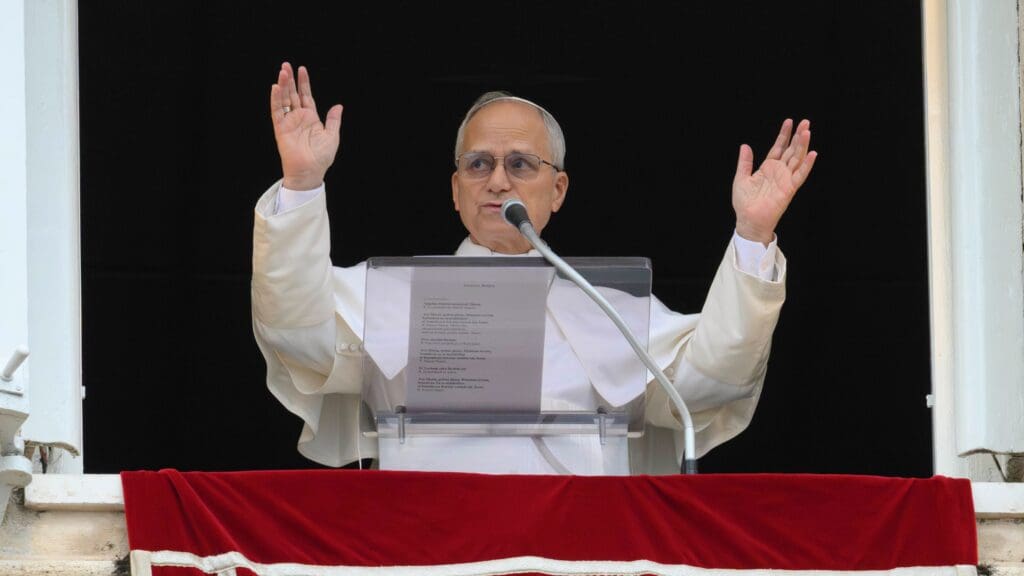
The head of the Catholic Church, Pope Leo XIV, on Sunday expressed concern over the escalating conflict involving Iran, warning that the violence could spread across the Middle East and urging an immediate halt to hostilities.
Speaking during the traditional Angelus prayer at St. Peter’s Square, the pontiff said troubling reports continued to emerge from Iran and the wider region as fighting entered its ninth day following the joint military action by the United States and Israel against Iranian targets.
The Pope warned that the conflict was fuelling fear and hatred and could draw more countries into the crisis, including Lebanon, which he said risked sliding back into instability.
“Alongside the episodes of violence and devastation and the widespread climate of hatred and fear, there is also growing concern that the conflict could spread and that other countries in the region, including dear Lebanon, could once again sink into instability,” Leo said.
RELATED NEWS:
- U.S.-Iran War: More Pressure on Domestic Fuel Prices as Oil Rises Above $100
- U.S./Israel-Iran War: Oil Prices Could Hit $150/barrel, Qatari Energy Minister Warns
- Israel Accuses Iran of Backing El-Zakzaky’s Shi’ites, Spreading Terror in Nigeria
He called for urgent efforts to end the violence and create room for peaceful dialogue.
“Let us raise our humble prayer to the Lord that the roar of bombs may cease, that weapons may fall silent, and that space may be opened for dialogue in which the voices of peoples can be heard,” the Pope added.
The remarks come amid growing international concern over the military campaign launched by the United States and Israel against Iran.
Earlier in the week, the Vatican’s chief diplomat also criticised the strikes, warning that such actions undermine international law.
Background
The conflict between Israel and Iran is rooted in decades of ideological, geopolitical and security tensions.
Following the 1979 Iranian Revolution, Tehran’s relationship with Israel shifted from cooperation to hostility. Leaders of the Islamic Republic have repeatedly condemned Israel and supported armed groups opposed to it, including Hezbollah in Lebanon and Hamas in Gaza.
Israel, on its part, regards Iran’s nuclear ambitions and expanding regional influence as a major threat and has taken military, covert and cyber measures to counter them.
The latest escalation began after coordinated airstrikes by Israel and the United States on Iranian military and government targets, including the killing of Iran’s Supreme Leader, an action that triggered wider confrontation in the region.
Iran responded with missile and drone attacks on Israeli targets and United States bases, while clashes have spread to neighbouring countries and involved allied groups.

Rafiyat Sadiq is a political, justice, and human rights reporter with Pinnacle Daily, known for fearless reporting and impactful storytelling. At Pinnacle Daily, she brings clarity and depth to issues shaping governance, democracy, and the protection of citizens’ rights.