

President Donald Trump on Friday, January 9, met with executives from U.S. energy companies, including ExxonMobil, Chevron, and ConocoPhillips, to discuss a potential $100 billion investment in Venezuela’s oil and gas sector.
The meeting followed the capture of Nicolás Maduro on January 3, 2026, by the U.S. special military force.
According to a CBS News report, Trump encouraged the companies to invest $100 billion in the Venezuelan oil sector to refine and sell oil.
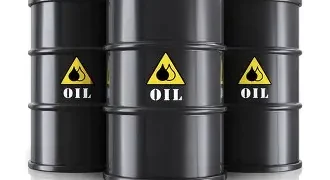
Venezuela has an estimated 303 billion barrels of proven crude oil reserves, which is said to be the largest in the world.
According to the U.S. Energy Information Administration, it constitutes about 17 per cent of the world’s supply.
About five decades after the discovery of oil in Venezuela, the government under the administration of President Hugo Chavez nationalised the country’s oil and gas assets in January 1976. Houston oil giants Exxon Mobil and ConocoPhillips were among the energy companies pushed out of the country.
Years of neglect and poor government policies led to a drastic reduction in oil output from 3.5 million barrels per day in the 1990s to about 800,000 per day now, according to the Kpler energy consulting firm.
READ ALSO: US Oil Shares Surge on Trump’s Venezuela Announcement
However, Trump, who is encouraging U.S. oil and gas firms to return to Venezuela, promised to ensure the security of their assets, adding that they would get back their money and “make a very nice return,” CNBC reported.
Highlighting the benefits of investing in oil production in Venezuela, Trump said it would help to lower energy costs for U.S. consumers.
While the Trump administration has framed this as an “unprecedented opportunity” to lower U.S. oil prices to $50 per barrel, industry experts and oil firms’ executives have highlighted several critical challenges.
READ ALSO: How Venezuela’s Crisis May Affect Nigeria’s 2026 Budget, Economy
ExxonMobil CEO Darren Woods described the current situation in Venezuela as “uninvestable” during the meeting.
Infrastructural Decay
Experts have observed that decades of mismanagement, corruption, and lack of maintenance have left the oil industry in the North American country in ruins.
Analysts at Rystad Energy estimate that raising production to about 3 million barrels per day would cost approximately $183 billion over the next 14 years.
Technical Complexity
Analysts pointed out that most of Venezuela’s reserves consist of heavy crude, which requires specialised steam injection and diluents to transport—processes that are expensive and currently crippled by the lack of equipment.
They also stated that years of political instability have led to a massive exodus of skilled petroleum engineers and technicians from the country.
Legal and Political Guarantees
Major oil companies emphasised that they require a durable, long-term legal framework before committing billions of dollars to the industry in Venezuela.
Expropriation History
ConocoPhillips is still seeking restitution for $12 billion in assets seized by the Venezuelan government in 2007. Trump told executives they would “make it back” through new deals rather than past settlements, a stance that has met with some scepticism from those seeking formal compensation.
Sanctions Uncertainty
While the U.S. is selectively rolling back some sanctions to allow for equipment imports, many foundational restrictions remain in place until a stable interim government is fully established.
Market Oversupply Risks
Global oil markets saw prices drop nearly 20 per cent in 2025 due to oversupply. Experts warn that a rapid influx of Venezuelan crude could further crash prices, which might benefit U.S. consumers but could hurt the profitability of the very companies being asked to fund the reconstruction

Victor Ezeja is a passionate journalist, scholar and analyst of socioeconomic issues in Nigeria and Africa. He is skilled in energy reporting, business and economy, and holds a master's degree in Mass Communication. He can be reached via @VICTOREZEJA on X