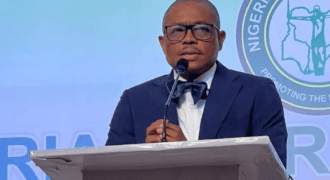


The Nigerian government has reaffirmed its commitment to the implementation of the new tax laws, which will take effect on January 1, 2026, despite concerns raised by the House of Representatives over alleged discrepancies between the gazetted versions and those passed by lawmakers.
Taiwo Oyedele, Chairman of the Presidential Committee on Fiscal Policy and Tax Reforms, confirmed this during a briefing with journalists on Friday after meeting with President Bola Ahmed Tinubu.
Oyedele’s Statement on Tax Reform
Oyedele stated that the government is focused on improving Nigeria’s tax system, aiming to ease the tax burden on citizens and stimulate economic growth.
He explained that four key tax reform laws had been enacted, two of which are already in force, while the Nigerian Tax Act and Nigerian Tax Administration Act are scheduled to come into effect in January 2026.
“The commencement of these two laws will go ahead as planned, despite the concerns raised by the House of Representatives. These reforms are designed to provide significant relief to the Nigerian people,” Oyedele asserted.
He added that the government is willing to engage with the National Assembly should any remedial action be needed.
What the Reforms Mean for Nigerians
According to Oyedele, the tax reforms are expected to offer substantial relief to workers and businesses. Approximately 98% of Nigerian workers will either pay no PAYE tax or face lower tax rates under the new framework.
Small businesses will also benefit, with 97% expected to be exempt from corporate income tax, VAT, and withholding tax. Additionally, large companies will experience reduced tax liabilities, stimulating growth and investment in the economy.
Oyedele emphasised that the focus of the reforms is on growing revenue through economic expansion, rather than raising tax rates. The government has worked on building capacity, upgrading systems, and sensitising stakeholders to ensure smooth implementation.
Addressing Legislative Concerns
The statement comes after concerns were raised by Hon. Abdulsammad Dasuki, a member of the House of Representatives, regarding alleged discrepancies between the gazetted versions of the tax laws and the versions passed by lawmakers.
These concerns have led to calls for a suspension of the implementation of the laws until the discrepancies are addressed.
In response, Oyedele acknowledged the concerns and welcomed the House Committee’s engagement.
He reassured that the government is committed to working with the National Assembly to resolve any issues that may arise but reaffirmed that the planned timeline for the new tax laws would not change.
The Importance of Tax Reform
The reform is expected to promote economic growth, inclusivity, and shared prosperity by broadening the tax base, improving compliance, and removing distortionary tax incentives.
According to Oyedele, the reforms aim to create a fairer and more efficient tax system, ultimately benefiting both the government and the citizens.

Sunday Michael Ogwu is a Nigerian journalist and editor of Pinnacle Daily. He is known for his work in business and economic reporting. He has held editorial roles in prominent Nigerian media outlets, where he has focused on economic policy, financial markets, and developmental issues affecting Nigeria and Africa more broadly.