
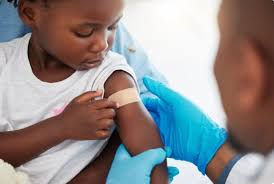
The United Nations Children’s Fund (UNICEF) has secured a major agreement to reduce the price of the R21/Matrix-M malaria vaccine to about $3 per dose, a move expected to dramatically improve affordability and access across high-burden countries.
According to UNICEF, the new pricing set to take effect within the next year will enable the organisation to channel over $90 million in savings toward the production of 30 million additional doses, targeting seven million more children over the next five years. The deal is backed by Gavi, the Vaccine Alliance.
So far, more than 40 million malaria vaccine doses have been deployed through the Gavi Malaria Vaccination Programme.
READ ALSO: UNICEF Warns Over 400 Million Children Worldwide Live in Poverty
The vaccines are now part of routine immunisation schedules in 24 African countries, which collectively account for over 70% of the global malaria burden.
Malaria remains one of the world’s deadliest infectious diseases. In 2023 alone, an estimated 263 million cases and 597,000 deaths were recorded globally 11 million more cases than in 2022. Around 95% of all malaria deaths, mostly among children under five, occurred in Africa, where many communities still lack access to basic prevention and treatment.
The disease remains a major strain on public health systems. The World Health Organisation (WHO) estimates that treating an uncomplicated malaria case in sub-Saharan Africa costs $4–$7 per outpatient visit, while severe cases requiring hospitalization can exceed $70, placing a heavy financial burden on families and national health budgets.
READ ALSO: Childhood Obesity Overtakes Undernutrition, Puts Millions at Risk – UNICEF
UNICEF says the reduced vaccine cost marks a significant step toward widening protection for millions of African children and easing the long-term health and economic impacts of malaria across the continent.

Esther Ososanya is an investigative journalist with Pinnacle Daily, reporting across health, business, environment, metro, Fct and crime. Known for her bold, empathetic storytelling, she uncovers hidden truths, challenges broken systems, and gives voice to overlooked Nigerians. Her work drives national conversations and demands accountability one powerful story at a time.