
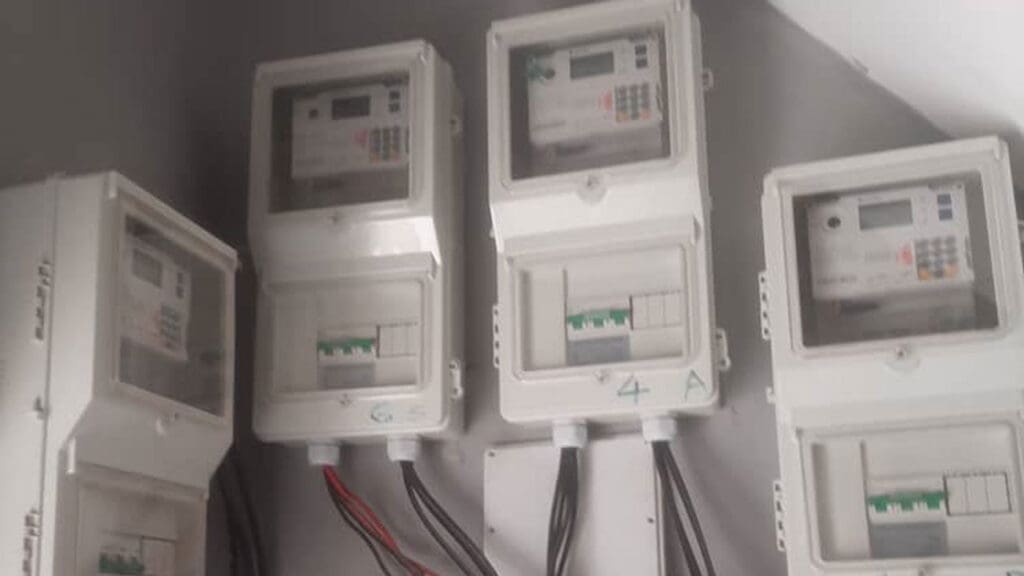
Amid efforts to close the metering gap in Nigeria, new data has shown that over 68 per cent of electricity consumers bypass the use of prepaid meters.
This indicates a systemic crisis in the Nigerian electricity supply industry as it reveals not just a revenue issue, but a symptom of deep-seated problems within the power sector.
The Nigerian Independent System Operator (NISO) made the revelation during the fifth annual conference of the Power Correspondents Association of Nigeria in Abuja recently.
Managing Director of Mainstream Energy Limited and board member of NISO, Audu Lamu, attributed the widespread practice of electricity theft to the economic crisis caused by rising inflation, among others, which has eroded consumers’ purchasing power, making it difficult for them to pay for electricity.
Industry analysts highlighted the implications of the development on the finances of power distribution companies, the destabilisation of the national grid, and the unfair burden it places on honest paying customers.
Prepaid meters are designed to ensure revenue collection before electricity is consumed. Bypassing them means the utility is generating and supplying power, but receiving little to no payment for a majority of its consumer base. This cripples its financial viability.
READ ALSO: Nigerian Govt Incurs ₦3trn Electricity Subsidy in 18 Months
The second quarter 2025 report by the NERC revealed that the overall Aggregate Technical & Commercial (AT&C) losses—a key performance indicator for utilities – was 37.92 per cent, comprising technical and commercial loss (18.39 per cent) and collection loss (23.93 per cent). According to the report, the ATC&C loss of 37.92 per cent is 17.38 percentage points higher than the 2025 Multi-Year Tariff Order (MYTO) target of 20.54 per cent and translates to a cumulative revenue loss of ₦158.053 billion across all DisCos. The report indicated that all the DisCos except Eko Electricity Distribution Company failed to achieve their target ATC&C during the quarter, with Kaduna DisCo recording the worst underperformance relative to the target.
According to a Factsheet released by the Nigerian Electricity Regulatory Commission (NERC) on metering progress, the total number of active customers across all Distribution Companies (DisCos) increased from 11.89 million in July to 11.96 million in August 2025. Out of these, 6.58 million customers were metered, resulting in a metering rate of 55.01 per cent, up slightly from 54.71 per cent in July. This means not less than 5.38 million registered customers nationwide (44.99 per cent) remain unmetered as of August 2025, just as the number of metered customers dropped by 7.68 per cent from 76,783 in July to 70,888.
NERC has repeatedly warned that there are stiffer penalties stipulated in the Electricity Act 2023 for theft of energy.
READ ALSO: 5.38 Million Electricity Customers Remain Unmetered – NERC
Beyond the financial losses to DisCos, there are concerns that bypassing meters often involves unsafe, illegal connections that are not accounted for in grid load calculations, leading to overloading of transformers and feeders, which causes frequent breakdowns and blackouts, voltage fluctuations that can damage appliances at homes and other safety hazards, including the risk of electrical fires, electrocution, and fatalities for both the perpetrators and the public.
Aside from enforcement of legal measures, experts have also suggested some technical and operational measures to tackle electricity theft. These include deploying Advanced Metering Infrastructure (AMI), to detect meter tampering in real-time and quick response such as remote disconnection of tampered meters, and provision of consumption data analytics to flag unusual consumption patterns for prompt inspection.

Victor Ezeja is a passionate journalist, scholar and analyst of socioeconomic issues in Nigeria and Africa. He is skilled in energy reporting, business and economy, and holds a master's degree in Mass Communication. He can be reached via @VICTOREZEJA on X