
The Malian government has shut down all schools and universities across the country following a severe fuel crisis caused by a militant blockade.
Education Minister Amadou Sy Savane announced on state television Sunday that classes would be suspended for two weeks. He explained that the fuel shortage has disrupted the movement of teachers and school staff, making it impossible to continue lessons.
“We are doing everything possible to restore normal fuel supplies before schools reopen on November 10,” the minister said.
The crisis began in early September when al-Qaida-linked militants from Jama’at Nusrat al-Islam wal-Muslimin (JNIM) imposed a ban on fuel imports from neighboring countries.
READ ALSO: Fuel Crisis Deepens in Mali as al-Qaida-Linked Militants Block Tanker Routes
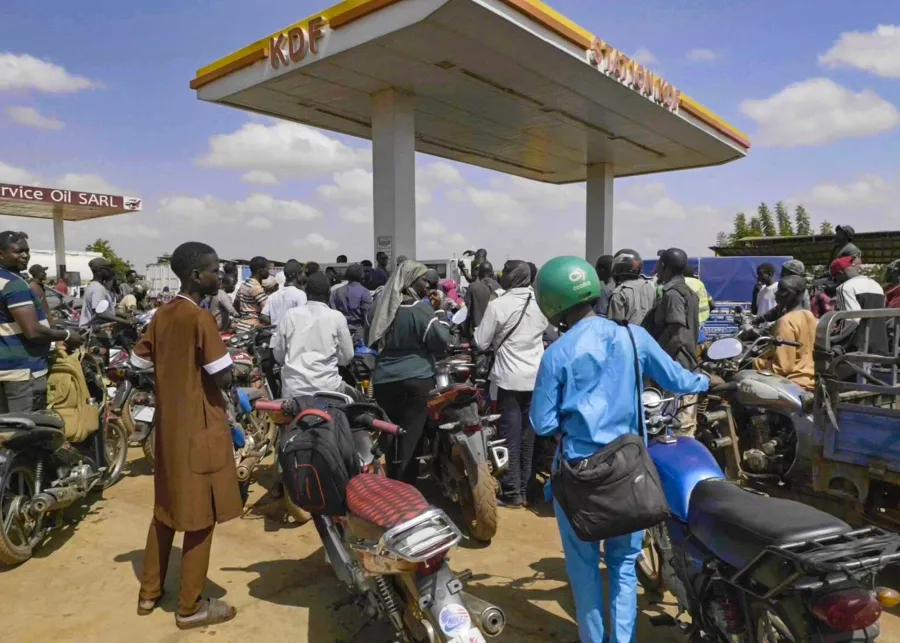
The blockade has trapped hundreds of fuel trucks at Mali’s borders and disabled transport across the landlocked nation.
As a result, fuel queues now stretch for hours in Bamako and other major cities. The scarcity has also driven up prices of goods and transportation, worsening the country’s inflation and straining households.
In response, Mali’s military attempted to escort fuel trucks from border areas into the capital. While some convoys arrived safely, others came under militant attacks, further aggravating the crisis.
The military junta, which seized power in 2020, is under growing pressure as citizens struggle with the impact of the blockade. The junta had defended its takeover as a step toward ending years of insecurity, but many now question its ability to manage the crisis.
READ ALSO: Two Generals, 43 Soldiers Arrested in Mali Over Alleged Coup Plot
Mali, Burkina Faso, and Niger continue to face insurgencies by groups linked to al-Qaida and the Islamic State (IS). All three nations expelled French troops and turned to Russian mercenaries for security support. However, analysts say the new alliances have done little to weaken militant networks.
For Mali, the fuel blockade represents a new and dangerous phase of the conflict one that threatens not just security, but also the education and daily lives of millions.

Esther Ososanya is an investigative journalist with Pinnacle Daily, reporting across health, business, environment, metro, Fct and crime. Known for her bold, empathetic storytelling, she uncovers hidden truths, challenges broken systems, and gives voice to overlooked Nigerians. Her work drives national conversations and demands accountability one powerful story at a time.