
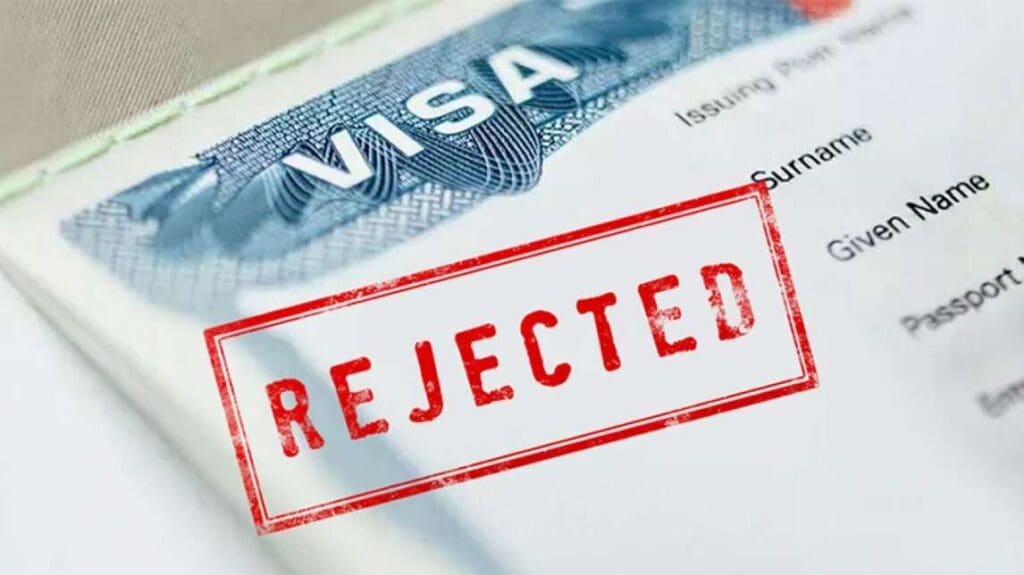
The quiet revocation of valid visas by the United States Embassy in Nigeria has rattled many who had already secured entry clearance.
Professionals, students, entrepreneurs, and families now face disrupted plans, mounting financial losses, and deep uncertainty over their futures.
An article published on The Cable by former NNPC spokesperson Olufemi Soneye revealed that the U.S. Embassy has quietly begun cancelling visas that had already been issued to Nigerians.
In the article titled “The Quiet Revocation: Why is the U.S. Silently Cancelling Nigerians’ Visas?” Soneye revealed that several travellers recently received letters from the embassy instructing them to submit their passports at consulates in Lagos or Abuja. Once surrendered, the visas were cancelled without explanation.
The notices only cited U.S. law, stating that “new information became available after the visa was issued”, offering no details and no avenue for appeal.
He added that some travellers discovered their visas had been cancelled only at the airport, moments before boarding, with a few briefly detained before being turned back. Many of those affected insist they have never overstayed or broken U.S. immigration laws, sparking fears that Washington is quietly tightening visa policies against Nigerians.
RELATED STORIES:
- US to Limit Visa Duration for Students, Journalists
- US Visa Applicants and Social Media Disclosure: Risky Overreach With Dire Consequences
- Visa Crackdown Hits Nigerian Businesses, Students Amid US-UAE Diplomatic Tensions
- U.S. Clarifies: Visa Expiry Doesn’t Equal Stay Duration
Embassy Justifies Action
A spokesperson for the U.S. Embassy, responding to the BBC, confirmed that visa revocation falls under Section 221(i) of the Immigration and Nationality Act and is carried out if new information suggests a holder is no longer eligible.
The official added that under the current administration, the State Department has stepped up measures to prevent anyone deemed a potential risk from entering the country.
Escalating Restrictions
This development comes amid a broader clampdown on Nigerian travellers. On July 9, 2025, the U.S. Embassy in Abuja announced that all new non-immigrant visas for Nigerians would be reduced to single entry and three months’ validity, ending the five-year multiple-entry policy that had been in place for years.
The embassy described the change as part of a global visa reciprocity review. President Bola Ahmed Tinubu condemned the move as disproportionate, stressing that Nigeria still grants Americans five-year visas, with only e-visas capped at 90 days.
On August 18, 2025, the U.S. Mission made it mandatory for all applicants to disclose social media handles used over the past five years, warning that failure to comply could result in visa denial and future ineligibility.
Less than two weeks later, on August 27, the Department of Homeland Security proposed scrapping the “duration of status” rule for students, capping F visas at four years regardless of programme length, while foreign media visas would be restricted to 240 days, with the possibility of one extension.
The clampdown has hit Nigeria especially hard. The 2024 Open Doors Report by the U.S. State Department ranked Nigeria the seventh-largest source of international students in the U.S. and the top African contributor, with enrolments rising 13.5 per cent from 2023.
Experts, however, warn that these gains are at risk, with trade, education, and tourism also facing new strains.
Legal and Diplomatic Concerns
A legal expert, Mr Abiola Adegboyega Kolawole, Esq., told Pinnacle Daily that while the cancellations are painful, they are not unlawful.
He explained that under international law, a country retains full discretion over entry, no matter how unfair it may appear. “Once the U.S. cites security concerns or new evidence, those cancellations cannot realistically be challenged in court,” he said.
Mr Kolawole added that the crackdown has intensified, with reports of over 6,000 student visas revoked in recent months. U.S. officials claim the revocations were tied to criminal activity, security threats, or online behaviour flagged during social media monitoring. He warned the measures could further strain bilateral ties and accelerate brain drain as Nigerian students look to more welcoming destinations.
Ripple Effects on Families and Businesses
Education and travel consultant Mr Abdullahi Ibrahim echoed these concerns, saying the uncertainty around internships, work opportunities, and visa validity is crippling long-term planning.
He told Pinnacle Daily that families making significant financial sacrifices now face a double burden of soaring tuition costs and unpredictable immigration rules, forcing some to abandon study or business plans altogether.
A senior immigration officer who spoke under anonymity confirmed that the US has the right to revoke a visa it has already issued, especially if it involves negative information connected to the individual who earlier got the visa approved.
“Every abrupt situation will bring shock and frustration to the traveller as it will disrupt plans, waste of resources already spent on tickets,” he said.
He further urged the Nigerian Government to inquire into the sharp visa cancellation and educate its citizens in that regard.
Entrepreneur and public affairs analyst Mr Nonso Okeke warned that abrupt cancellations undermine investor confidence and disrupt commerce. He stressed that, beyond financial losses, Nigeria’s image problem, driven by fraud cases involving a minority and persistent security challenges, has contributed to the restrictive policies.
Okeke urged the government to rebuild trust with international partners, warning that without stronger diplomatic credibility, Nigerians will continue to face restrictions that curtail opportunities abroad.
The quiet visa cancellations, though permitted under U.S. law, carry heavy human and diplomatic costs. For many Nigerians, years of planning and savings are collapsing overnight, leaving lasting scars beyond financial loss.
Experts warn that the revocations expose Nigeria’s deeper image problem abroad, driven by governance gaps, security lapses, and the misconduct of a few.
Without urgent action to restore credibility and rebuild trust with international partners, experts caution that Nigerians will remain vulnerable to shifting visa policies, while the country risks losing talent and global standing at a critical time.

Rafiyat Sadiq is a political, justice, and human rights reporter with Pinnacle Daily, known for fearless reporting and impactful storytelling. At Pinnacle Daily, she brings clarity and depth to issues shaping governance, democracy, and the protection of citizens’ rights.