
By Sunday Michael Ogwu
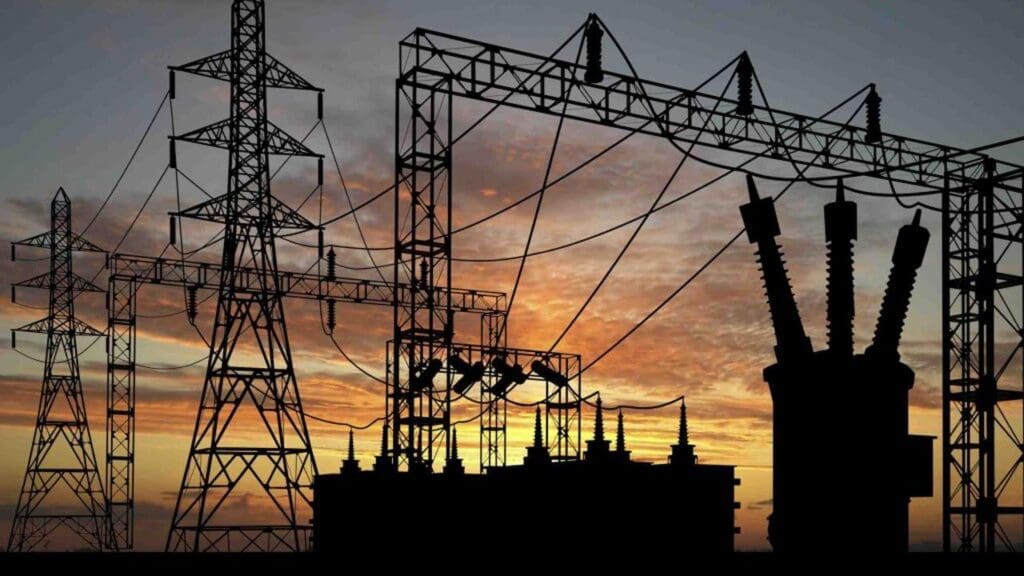
Nigeria’s electricity sector may be turning a corner—at least on paper—as the Nigerian Electricity Regulatory Commission (NERC) issued a total of 243 licences, permits, and certifications over five consecutive quarters, signalling renewed private sector interest and potential for increased power generation across the country.
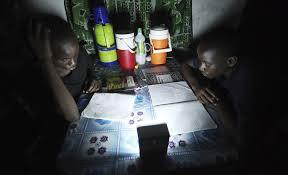
According to World Bank statistics, 85 million Nigerians do not have access to grid electricity.
This is a staggering figure, considering the country’s estimated population of 220 million, and it makes Nigeria a country with the largest energy access deficit in the world.
The lack of reliable power is a substantial constraint for citizens and businesses, resulting in annual economic losses estimated at $26.2 billion (₦41.2 trillion), which is approximately 18% of Nigeria’s 2024 GDP.

According to the World Bank Doing Business 2020 report, Nigeria ranks 171 out of 190 countries in getting electricity, and its access is seen as one of the major constraints for the private sector.
The figures, captured in NERC’s quarterly reports from Q2 2024 to Q1 2025, show a steady rise in regulatory approvals, peaking in Q4 2024 with 70 new licences and permits issued. This regulatory activity corresponds with an uptick in installed generation capacity—especially in captive and off-grid power systems, which are helping to bridge gaps in Nigeria’s underperforming national grid.
Breakdown of Key Data (Q2 2024 – Q1 2025)
- Total licences issued: 243
- Off-grid generation licences: 20 licences, 111.54 MW combined capacity
- Captive generation permits: 32 permits, 1,043.5 MW capacity
- Electricity trading licences: 7 issued
- Mini-grid permits and registrations: 37
- Metering (MSP/MAP) certifications: 91 total
Quarter-by-Quarter Summary
- Q2 2024: 18 licences, including 5 off-grid (12.36 MW) and 2 on-grid licences (66 MW)
- Q3 2024: 50 licences, including 6 off-grid (30.06 MW) and 11 captive (63.36 MW)
- Q4 2024: 70 licences, including 1 off-grid (2.63 MW), 4 captive (22.50 MW), and 24 mini-grid permits
- Q1 2025: 55 licences, including 4 off-grid (66.49 MW), 16 captive (952.64 MW), and 7 mini-grid permits
What This Means for the Power Sector
While Nigeria’s grid-connected generation remains below demand—with frequent blackouts and load shedding—a growing number of businesses and communities are bypassing the central grid. The rise in captive generation (where companies produce their own power) and mini-grid development is helping to fill the supply gap.
In Q1 2025 alone, captive generation approvals accounted for over 950 MW—a massive leap from the previous quarter’s 22.5 MW. This suggests a rising trend of self-reliance, especially in the industrial and commercial sectors.
READ ALSO: Rejection Saga: How NUPRC, NPF, UBEC Frustrate NYSC Corps Members
Similarly, off-grid generation projects and mini-grid licences are expanding electricity access in rural and underserved areas, aligning with national electrification targets.
However, energy analysts caution that licences alone don’t translate into megawatts delivered. Many approved projects suffer from funding delays, bureaucratic bottlenecks, or a lack of implementation support.
“Licences are a good step, but execution remains Nigeria’s biggest problem,” said an energy analyst based in Abuja. “Without follow-through, these documents won’t power homes or factories.”
Why It Matters
With Nigeria’s peak electricity generation rarely crossing 4,500 MW for a population of over 200 million, diversifying generation sources is critical.
NERC’s licensing spree may indicate growing investor confidence—or a desperate rush to solve a persistent crisis. The real impact will depend on how many of these licences move from ink to infrastructure.
Expert Urge Removal of Political Interference
The Chartered Institute of Power Engineers of Nigeria (CIPEN) has attributed Nigeria’s ongoing electricity crisis to political interference and the government’s failure to appoint qualified professionals to manage the power sector.
CIPEN President and Chairman-in-Council, Israel Abraham, emphasised that the sector’s most significant challenges stem from political influence and the appointment of individuals lacking the necessary expertise
Abraham suggested that the government should declare a state of emergency in the sector, mobilise resources, and set clear performance targets for appointees. If the targets are not met, he called for the removal of underperforming officials.

Sunday Michael Ogwu is a Nigerian journalist and editor of Pinnacle Daily. He is known for his work in business and economic reporting. He has held editorial roles in prominent Nigerian media outlets, where he has focused on economic policy, financial markets, and developmental issues affecting Nigeria and Africa more broadly.