


Sixty-five years after raising its flag of independence, Nigeria’s judiciary, long regarded as the last hope of the common man, is showing signs of deep strain.
A combination of public distrust, allegations of corruption, inconsistent judgments, poor funding, weak infrastructure and political interference has left citizens asking whether the judiciary, one of the three arms of government, can still deliver impartial justice.
“Public Confidence has Been Shaken” — AGF Fagbemi

At the Supreme Court during the 2025/2026 legal year opening and the conferment of the rank of Senior Advocate of Nigeria (SAN) on 57 lawyers, the Attorney-General of the Federation and Minister of Justice, Lateef Olasunkanmi Fagbemi (SAN), acknowledged the depth of the problem.
Public confidence, he said, “has been shaken by perceptions of undue influence, inconsistent rulings, and delays that frustrate justice. Allegations of corruption, though often unproven, cast long shadows.”
Fagbemi urged judges to remain principled, independent and impartial, insisting that accountability should be to the public interest rather than to public opinion.

Shocking Figures from ICPC Pilot Survey
Confirming the scale of the problem, the Independent Corrupt Practices and Other Related Offences Commission (ICPC) disclosed that N9,457,650,000 was corruptly demanded, offered and paid as bribes in Nigeria’s justice sector between 2018 and 2020.
READ ALSO: Fagbemi: Public Confidence in Judiciary Shaken by Perception of Influence, Inconsistent Judgments
The finding appears in a report titled Nigeria Corruption Index: Report of a pilot survey, carried out by the Anti-Corruption Academy of Nigeria, the research and training arm of the ICPC.
The report warned that “bribe for judgment is one of the most egregious forms of grand corruption as it operates to undermine the very essence of judicial dispute resolution.”
It also assigned relative responsibility for the bribery recorded: lawyers made up 27.17 percent of those offering bribes for favourable judgments; litigants, 21.96 percent; court staff (clerks, registrars etc.), 21.54 percent; judges, 16.88 percent; and government MDAs, 7.37 percent.
What Nigerians Are Saying
Pinnacle Daily’s interviews with citizens revealed a fractured public view of Nigerian Judiciary.
Sixins Alonbe said his trust in the judiciary is “50–50,” noting that while some cases receive justice, others do not.
He said the perception that rightful outcomes are overturned has contributed to voter apathy because people’s expectations are not being met, though he stressed that the rule of law must still be upheld.
Nafisat Alao voiced a more optimistic view, saying she believes in the judiciary because there remain good people within the system and that the misconduct of a few should not cause the public to abandon the courts.
READ ALSO: 774 Local Govt Still in Chains Amid Judgment
By contrast, Friday Esetene described the judiciary as “the worst,” asserting that favourable judgments are unlikely for those who do not belong to the ruling party.
Hadiza Ominyi urged mentorship and the passing down of knowledge to younger legal professionals as a way to improve the system.
Hon. Prince O. Chinaemeze said the judiciary is in crisis, cited the Natasha case as an example of failed justice and warned that “Nigeria is a game of interest,” describing the judiciary as corrupt.
Experts: “Judiciary under siege”: Causes and Consequences

Professor Abubakar Umar Kari, Professor of Political Sociology at the University of Abuja, told Pinnacle Daily that public confidence is waning because of corruption, nepotism, lack of digitization, and financial dependence of the judiciary on the executive.
“Reports have consistently ranked Nigeria’s judiciary among the most corrupt institutions, with allegations of judges writing multiple judgments and delivering verdicts based on bribes,” Prof. Kari said.
Prof. Kari urged independence, modernization, recruitment on merit, better salaries and expansion of courts to reduce case congestion.
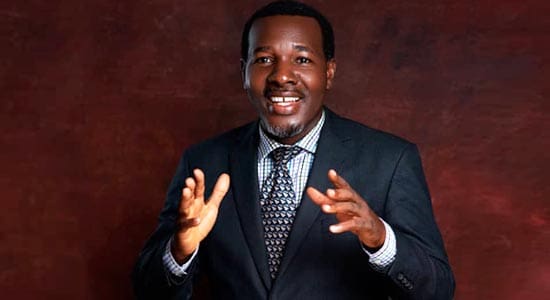
Monday Adjeh, a senior lawyer and legal analyst, warned that the rot runs deeper than public statements suggest.
Reacting to the Attorney-General’s admission of declining trust, Adjeh said: “If the Attorney General of the Federation can come out and tell us that people are losing confidence in the judiciary, then ordinary Nigerians on the street have already lost confidence completely.
“That is why we see kidnappings, killings, maiming, and stealing everywhere. People believe that going to court will not give them justice due to endless delays. They take the law into their own hands. We are in a state of anarchy where no law works in Nigeria.”
Inconsistent judgments and political patronage
Adjeh lamented the growing inconsistency in court rulings, noting that conflicting judgments from different divisions undermine credibility.
“There are judgments you hear in Lagos today and another contradicting one from Jos tomorrow. This conflict of judgments has put lawyers and litigants in confusion,” he said.
The speaker identified political interference in judicial appointments as a root cause of the crisis. According to him, many unqualified persons ascend the bench through patronage rather than merit.
“The appointment of judges must to be looked into critically and holistically. Some people on the bench today are there because of godfathers and godmothers, not competence. Until we address this, the rot will continue,” he argued, calling for public scrutiny of candidates before appointment to top judicial offices.
Ethical decay and reckless rulings
He criticized judges who deliver what he described as “reckless and undefended judgments,” insisting that a strong ethical framework is urgently needed.
“If there is a working ethical policy that ensures any judge found guilty faces the law, discipline will return. But today, everybody behaves as they like and goes free,” he said.
Poor Infrastructure and Outdated Methods
The senior lawyer also pointed to the sorry state of court infrastructure across the country.
“In Ondo State, judges sit in classrooms because proper court buildings don’t exist. In Gwagwalada, the High Court operates out of a borrowed Court from Sharia court of Appeal facility. In some court in Nigeria Roofs are leaking, facilities are broken, yet government spends lavishly on offices while neglecting the judiciary,” he lamented.
Barr. Adjeh described the situation as a “warning and a sorry state of the judiciary,” adding that the sector remains “grossly abused” due to lack of investment in infrastructure and technology.
He noted that judges still rely on handwriting to record proceedings despite the availability of digital recording technologies in other countries. “How can a judge handle 50 to 100 cases a day by handwriting? Meanwhile, in places like Ghana and South Africa, technology ensures efficiency,” he said.
Barr. Adjeh added that Supreme Court cases are now being scheduled for 2028, a situation he described as a clear sign of judicial collapse.
Poor welfare, low pay and corruption risk
Barr. Adjeh linked corruption vulnerability of judges to poor welfare and inadequate remuneration.
“Some judges elevated to the bench have waited five to seven years without official ceremonial gowns. Their salaries cannot take them home. A magistrate treks to court while aides to politicians drive jeeps. How will such officers not be tempted when offered millions in bribes?”
He likened the temptation to corruption to “the tempting fruit in the Garden of Eden.”
Proposed remedies: merit, ethics, capacity and modernization
Adjeh set out a comprehensive reform package he said must be implemented to restore trust:
- Merit-based appointments and public scrutiny. Re-examine the elevation process, subject candidates for top judicial offices to public vetting to guard against political patronage.
- A working ethical code and enforcement. Ensure enforceable standards so judges who deliver reckless or conflicting judgments face prosecution and disciplinary action.
- Increased judicial capacity. Recruit more judges to reduce untenable caseloads.
- Infrastructure and technology upgrades. Equip courts with digital recording, transcription and case-management systems to speed proceedings.
- Better remuneration and welfare. Improve pay, allowances and welfare to reduce susceptibility to bribery.
- Dedicated election judges. End the practice of withdrawing sitting judges from their courts to handle election petitions; appoint special judges for election matters to limit delays.
- Continuous training. Regular training for judges and lawyers to keep them current with modern legal standards and procedures.
Adjeh warned that without urgent, sustained reforms the judiciary risks further erosion of public trust. “Without trust in the courts, society descends into anarchy,” he said.
Professor Kari echoed calls for independence and modernization: “The judiciary needs independence, modernization, and the recruitment of only qualified judges. Salaries must improve, and courts expanded to reduce case congestion,” he said.
In his address, Attorney-General Fagbemi urged judicial officers to rededicate themselves to transparent, consistent and intellectually rigorous administration of justice.
He said the judiciary must be beyond reproach: “It is therefore the responsibility of everyone present here and beyond to ensure that, like Caesar’s wife, the judiciary is above reproach and suspicion.”

Rafiyat Sadiq is a political, justice, and human rights reporter with Pinnacle Daily, known for fearless reporting and impactful storytelling. At Pinnacle Daily, she brings clarity and depth to issues shaping governance, democracy, and the protection of citizens’ rights.