

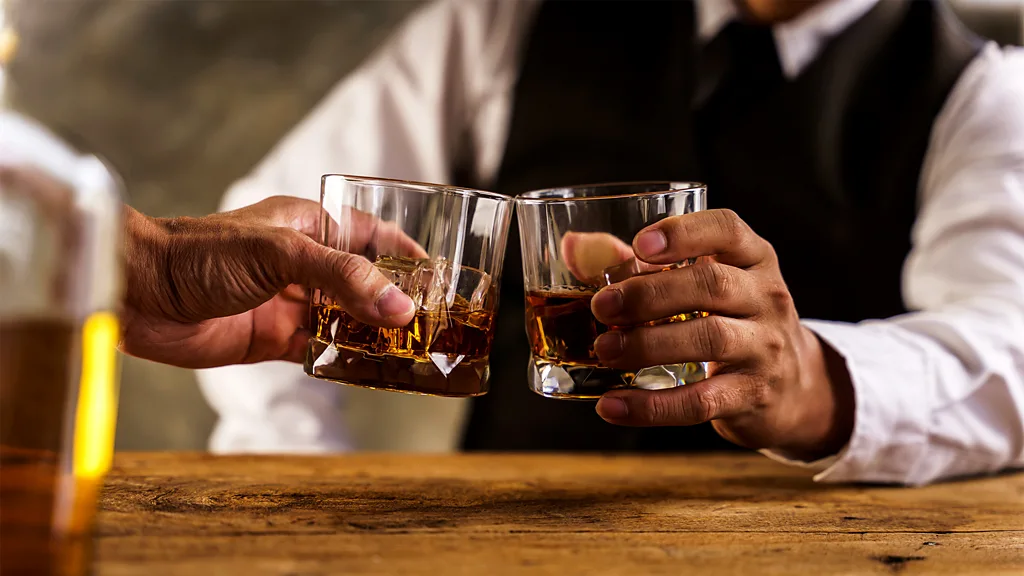
Saudi Arabia has begun allowing wealthy foreign residents to legally purchase alcohol. This marks a significant policy change in a country that has enforced a strict ban for more than 70 years.
The move, introduced without a public announcement, expands access beyond diplomats. It now includes non-Muslim expatriates who meet specific income or residency criteria.
Analysts say the decision reflects broader efforts to attract foreign investment, skilled professionals and tourists. The kingdom seeks to reduce its dependence on oil revenues.
Controlled Sales in Riyadh’s Diplomatic Quarter
Alcohol sales are taking place at a discreet outlet located in Riyadh’s Diplomatic Quarter. This is an affluent area home to embassies and upscale residential compounds.
The store first opened in January 2024 but was initially limited to non-Muslim diplomats.
Under revised rules implemented in late 2025, wealthy foreign residents are now also permitted to buy alcohol. Tourists remain ineligible.
Eligibility and Purchase Restrictions
To qualify, expatriates must either hold a Premium Residency permit, which costs 100,000 Saudi riyals ($27,000) per year. Alternatively, they must earn a minimum monthly salary of 50,000 riyals.
Customers are required to present residence identification cards that state their religion and residency status.
Those without Premium Residency must also provide proof of income from their employer. Purchases are regulated through a points-based monthly quota system.
Mobile phones are sealed before entry. In addition, customers report long queues, although the buying process itself is described as orderly and closely monitored.
Higher Prices but Legal Access
Several buyers said alcohol prices are two to three times higher than in Western markets. However, prices remain lower than black-market rates in Saudi Arabia.
One British executive said a bottle of whisky cost more than $120 but added that legal access outweighed the higher price. Meanwhile, diplomats receive discounts under separate arrangements.
Saudi authorities have not publicly confirmed the policy change. Customers said information about the store spread largely through word of mouth, and the outlet does not appear on public maps.
Analysts believe the lack of official communication is deliberate. “Authorities are moving cautiously on sensitive social issues,” said Sebastian Sons, a senior researcher at the German think tank Carpo.
Longstanding Ban and Informal Consumption
Saudi Arabia banned alcohol sales in 1952 under Islamic law. Despite the prohibition, alcohol has long circulated privately, particularly in diplomatic settings, gated compounds and private homes.
A significant portion of branded alcohol has historically entered the country through embassies. Meanwhile, others have relied on smuggled or homemade products sold on the black market.
Economic Pressures and Diversification Goals
The policy shift comes as Saudi Arabia faces lower oil revenues and tighter public finances. Global oil prices remain well below the levels seen in 2022, increasing pressure on the kingdom to diversify its economy.
As part of its Vision 2030 programme, Saudi Arabia is investing heavily in non-oil sectors such as tourism, manufacturing and artificial intelligence. The country is also relaxing rules on foreign property ownership and investment.
Tourism and Major International Events
Tourism is a central pillar of Saudi Arabia’s diversification strategy. In 2024, the kingdom attracted nearly 30 million international visitors. Notably, non-religious travel accounted for more than half of arrivals, according to the tourism ministry.
Saudi Arabia aims to attract 70 million international tourists annually by 2030. The country is set to host the World Expo in 2030 and the FIFA World Cup in 2034.
Hospitality industry executives say hotels are preparing for the possibility that alcohol sales could eventually be extended to tourists.
Several international hotel groups have begun hiring staff with experience in serving alcoholic beverages. This is true even though alcohol service is not yet permitted for tourists.
Cautious Approach to Social Change
Analysts say Saudi Arabia is unlikely to follow the more liberal model seen in Dubai. Instead, restrictions are expected to resemble those in Qatar, where alcohol is limited to designated hotels and venues.
Alcohol remains a sensitive issue in Saudi society, where public opinion is difficult to gauge. Many Saudis continue to travel to neighbouring Bahrain to purchase alcohol.
A Saudi academic, speaking anonymously, said that while recent reforms have been widely accepted, alcohol remains a social taboo. “Even Saudis who drink tend to do so privately or outside the country,” the academic said.

Rafiyat Sadiq is a political, justice, and human rights reporter with Pinnacle Daily, known for fearless reporting and impactful storytelling. At Pinnacle Daily, she brings clarity and depth to issues shaping governance, democracy, and the protection of citizens’ rights.