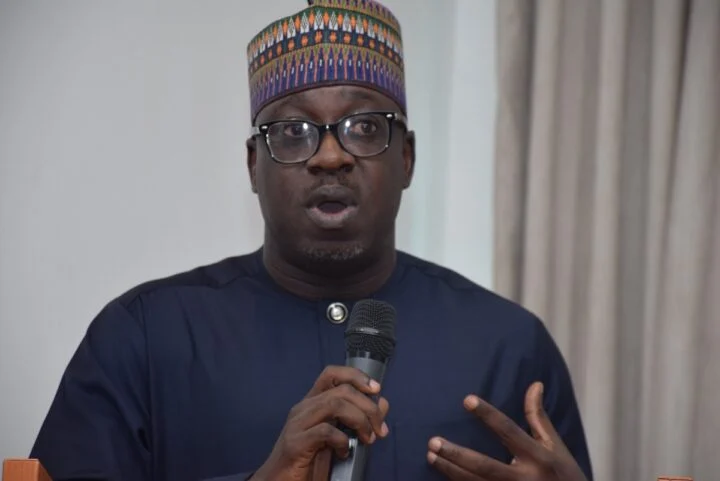
Authority Chief Executive of the Nigerian Midstream and Downstream Petroleum Regulatory Authority (NMDPRA), Saidu Mohammed, has stated that the country is moving towards ending fuel importation as ongoing reforms, such as deregulation, have brought stability. Mohammed revealed that the cumulative impact of deregulation of the downstream sector and other economic reforms, including foreign exchange harmonisation …

Authority Chief Executive of the Nigerian Midstream and Downstream Petroleum Regulatory Authority (NMDPRA), Saidu Mohammed, has stated that the country is moving towards ending fuel importation as ongoing reforms, such as deregulation, have brought stability.
Mohammed revealed that the cumulative impact of deregulation of the downstream sector and other economic reforms, including foreign exchange harmonisation and the naira-for-crude policy, has led to a reduction in fuel imports, saving Nigeria over ₦6 trillion in fiscal and FX losses within the first nine months of 2025.
Delivering a keynote address at the Nigeria International Energy Summit (NIES) 2026 on Wednesday, February 4, Mohammed noted that under the Petroleum Industry Act, Nigeria’s downstream market is now fully liberalised.
“The cumulative impact of the full deregulation of the downstream sector, the harmonisation of the forex market, the incentivisation of gas and the trading of crude and products in naira has reduced the fiscal and economic losses of importing petroleum products by over ₦6 trillion in the first nine months of 2025,” he said.
According to him, the liberalisation of the market has improved product supply, effectively ending historical scarcity, while pricing is increasingly determined by market fundamentals.
“For decades, the downstream sector was defined by infrastructure decay, supply uncertainties, and huge inefficiencies. Today, I am pleased to affirm that this narrative is rapidly changing,” Mohammed stated.
He said the country had depended 100 per cent on importation for the supply of fuel, but the trend is being reversed as the country also targets large-scale exports.
“We want to change from 100 per cent importation to zero importation, and then we start climbing towards exportation,” Mohammed said.
The NMDPRA boss observed that the reforms have brought stability to the downstream petroleum market, leading to the attraction of sustainable investment in the sector.
READ ALSO:
- Dangote Refinery Denies Importing Fuel, Says Plant Processes Wide Range of Crude, Intermediate Products
- Fuel Import Tax: Experts Raise Concerns about Higher Costs, Burden on Consumers
- Alleged Corruption: Dangote Drags Ex-NMDPRA Chief to EFCC
- Nigeria’s Oil Revenue Falls 24.7% Short of Target in 2024
He said the emergence of Dangote Refinery is a game-changer in Nigeria’s quest for reviving domestic refining and boosting energy security.
Speaking on the condition of the state-owned refineries, the NMDPRA CEO assured that efforts were being made to ensure they come back on stream, adding that licences have also been issued for the establishment of more private refineries.
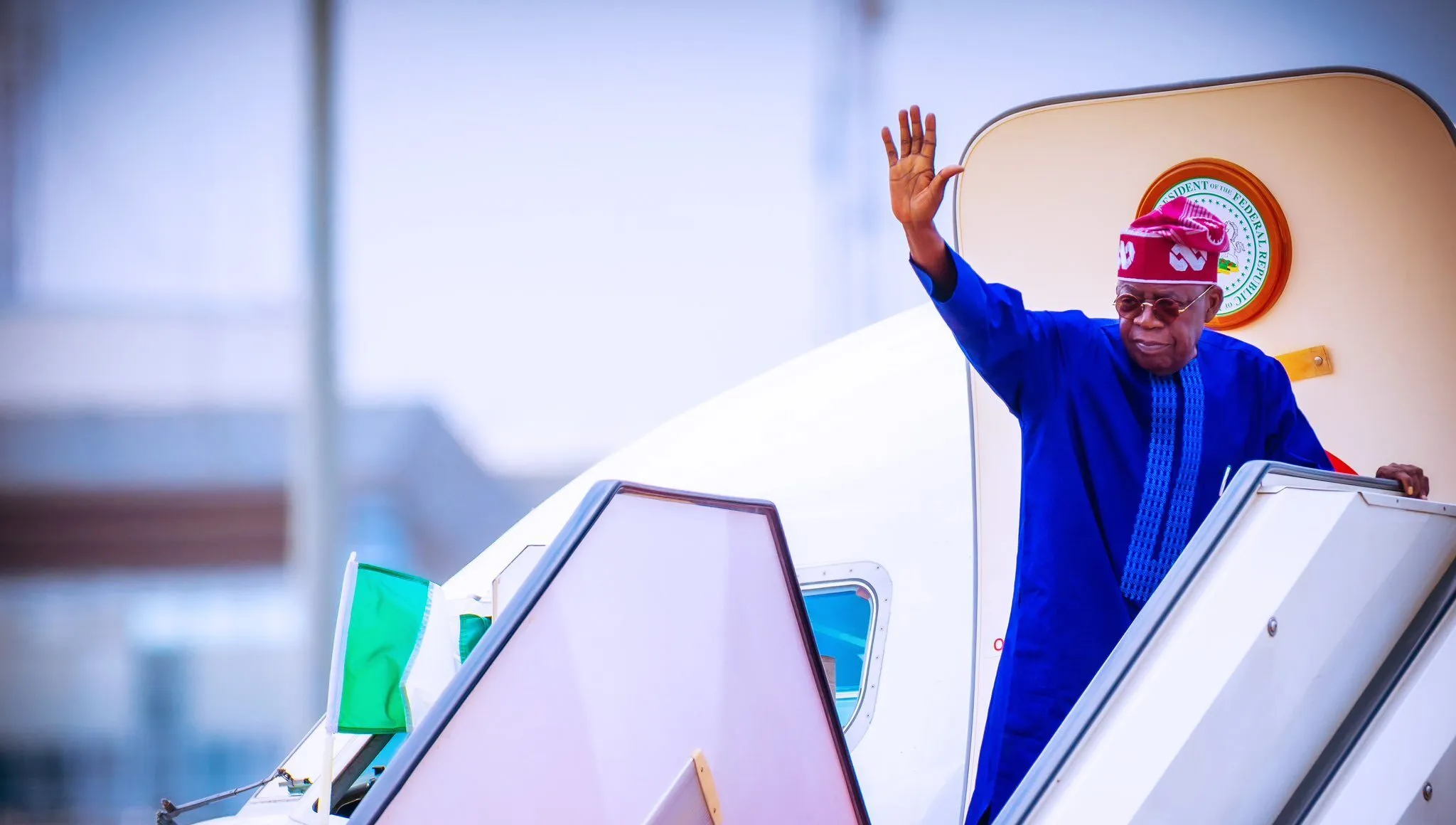
He attributed the revival of the downstream sector to the bold economic reforms of President Bola Tinubu’s administration, adding that they will continue to leverage the reforms for sustained growth.
Mohammed assured stakeholders that the regulator would remain fair, firm, and decisive in regulating the midstream and downstream activities.
He stressed that regulation remained critical to long-term growth, adding that “Investor confidence is built daily through credible institutions and consistent actions. As regulators, our credibility is Nigeria’s credibility.”

Victor Ezeja is a Nigerian journalist skilled in producing insightful news analyses, feature stories, and interviews that simplify complex issues and drive informed public discourse. His work combines rigorous research, balanced reporting, and compelling storytelling to highlight developments shaping industries and society. Victor, who holds a Master's Degree in Mass Communication, specializes in energy, aviation, business, and economic reporting. He can be reached via @VICTOREZEJA on X