

The United Nations Children’s Fund (UNICEF) has raised alarm over the persistent crisis of out-of-school children in Northern Nigeria, warning that millions remain excluded from education, with girls bearing the brunt due to deep-rooted cultural, economic and social barriers.
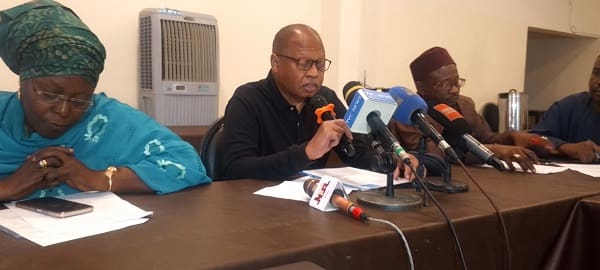
The concern was raised by the Chief of UNICEF Field Office in Kano, Mr. Rahama Rihood Mohammed Farah, during his keynote address at the 2026 International Day of Education (IDE) commemoration held in Dutse, the Jigawa State capital.
Farah identified poverty, insecurity, harmful social norms and limited access to quality educational resources as key factors undermining school enrolment, retention and learning outcomes across the region. He noted that these challenges continue to erode the aspirations of children, especially girls, who face additional pressures that hinder school completion.
The IDE 2026 event, themed “The Power of Youth in Co-Creating Education,” brought together stakeholders from UNICEF-supported states including Kano, Katsina and Jigawa. UNICEF stressed the importance of placing young people at the centre of conversations on shaping the future of education in Nigeria by 2030.
READ ALSO:
-
UNICEF Strikes New Deal to Slash Malaria Vaccine Costs, Expand Access Across Africa
-
Gombe Doubles Down on School Enrolment With UNICEF Support
-
Childhood Obesity Overtakes Undernutrition, Puts Millions at Risk – UNICEF
-
Nigeria Launches Action Plan to Strengthen Women’s Role in Peace, Security
While acknowledging progress recorded in some parts of Northern Nigeria, Farah urged young people to take a leading role in transforming the education system, describing education as a fundamental right, a source of hope and the foundation of sustainable national development.
Addressing government officials, development partners, educators, parents, media practitioners and youths, Farah said education remains the most powerful tool for breaking cycles of hardship and building societies where every child can thrive with dignity.
“Education is not just a service; it is a right, a beacon of hope and the foundation of every strong society,” he said. “It gives every child—girl or boy—the freedom to dream, to contribute meaningfully to their communities and to walk with pride.”
According to him, young people are increasingly demanding an education system that is relevant, inclusive, safe and empowering—one that inspires creativity, motivates learning and leaves no child behind.
“They want classrooms that ignite imagination, teachers who inspire, and systems that catch every child,” Farah noted, adding that education must go beyond textbooks to equip children with life skills, digital competence, critical thinking and the confidence to shape their own futures.
He emphasized that the International Day of Education should serve not only as a moment of reflection, but as a call to renewed commitment and collective action.
“At UNICEF, we remain firmly committed to supporting governments and communities in Kano Field Office states to strengthen education systems, improve learning environments, promote adolescent development and ensure access to quality education for every child,” he said.
Farah further stressed that investing in education delivers long-term dividends, noting that educating a child uplifts a family, educating a girl strengthens a community, and sustained investment in education lays the foundation for peace and sustainable development.
He also commended development partners, community and traditional leaders, teachers, civil society organisations and youths driving initiatives such as the Youth-Led Education Lab, acknowledging their role in advancing inclusive education.
“Your voices matter. Your ideas matter,” he told the youths. “You are not only the leaders of tomorrow; you are partners today, shaping history.”
As the IDE 2026 commemoration concluded, Farah called on all stakeholders to renew their collective resolve to ensure that every child in Northern Nigeria—whether in urban centres or rural communities has the opportunity to learn, grow and succeed.
“Let us keep faith in the transformative power of education,” he said, wishing stakeholders a successful International Day of Education 2026.

Esther Ososanya is an investigative journalist with Pinnacle Daily, reporting across health, business, environment, metro, Fct and crime. Known for her bold, empathetic storytelling, she uncovers hidden truths, challenges broken systems, and gives voice to overlooked Nigerians. Her work drives national conversations and demands accountability one powerful story at a time.