

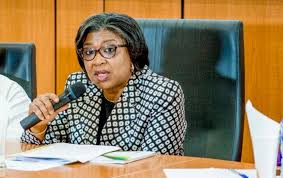
The Debt Management Office (DMO) has urged state governments to follow the Fiscal Responsibility Act and other borrowing laws.
It warned that loans taken outside the legal framework could weaken fiscal stability at the sub-national level. The Director-General of the DMO, Ms. Patience Oniha, delivered the message on Tuesday in Abuja. She spoke at a workshop on borrowing guidelines for state and Federal Capital Territory (FCT) officials. Oniha said the workshop forms part of the DMO’s capacity-building programme for states.
READ ALSO: DMO Opens November FGN Savings Bond at Lower Rates
The programme aims to improve debt management and promote transparent borrowing practices. She said the training covers debt recording, debt sustainability analysis and medium-term debt strategies.
“We train sub-national governments on how we manage debt and why proper procedures matter,” she said. Oniha stressed that compliance with the Fiscal Responsibility Act is not optional. She said the law clearly outlines conditions for borrowing by all levels of government.
“This workshop helps states understand the guidelines and comply with the law,” she said.
Why the workshop matters
She explained that the training does not assess states’ debt stock. Instead, it focuses on the process and requirements for borrowing.
“It is about knowing what to do and how to do it,” she said. Oniha recalled that many states faced delays when seeking loans in the past.
She said poor understanding of legal requirements slowed approvals. Loans must pass through the Minister of Finance and the DMO under existing laws.
“That lack of clarity led us to start these workshops,” she said. The DMO boss said the first workshop took place about five years ago in Lagos.
This year’s edition allows more officials from each state to attend. Some states sent up to eight participants.
“This ensures wider understanding across state institutions,” she said.
Key laws governing borrowing
Oniha listed the Constitution, the Fiscal Responsibility Act and the DMO Act as core borrowing laws.
She said states must comply fully with all provisions.
“There is no flexibility when it comes to the law,” she said.
Oniha noted that loans from institutions like the World Bank follow the same process.
She warned that lack of understanding could delay access to development funding. She said the goal is to help states raise funds quickly and legally for development projects.
Oniha said the DMO will continue to support states through training. She added that borrowed funds must support development and improve citizens’ welfare.

Esther Ososanya is an investigative journalist with Pinnacle Daily, reporting across health, business, environment, metro, Fct and crime. Known for her bold, empathetic storytelling, she uncovers hidden truths, challenges broken systems, and gives voice to overlooked Nigerians. Her work drives national conversations and demands accountability one powerful story at a time.