

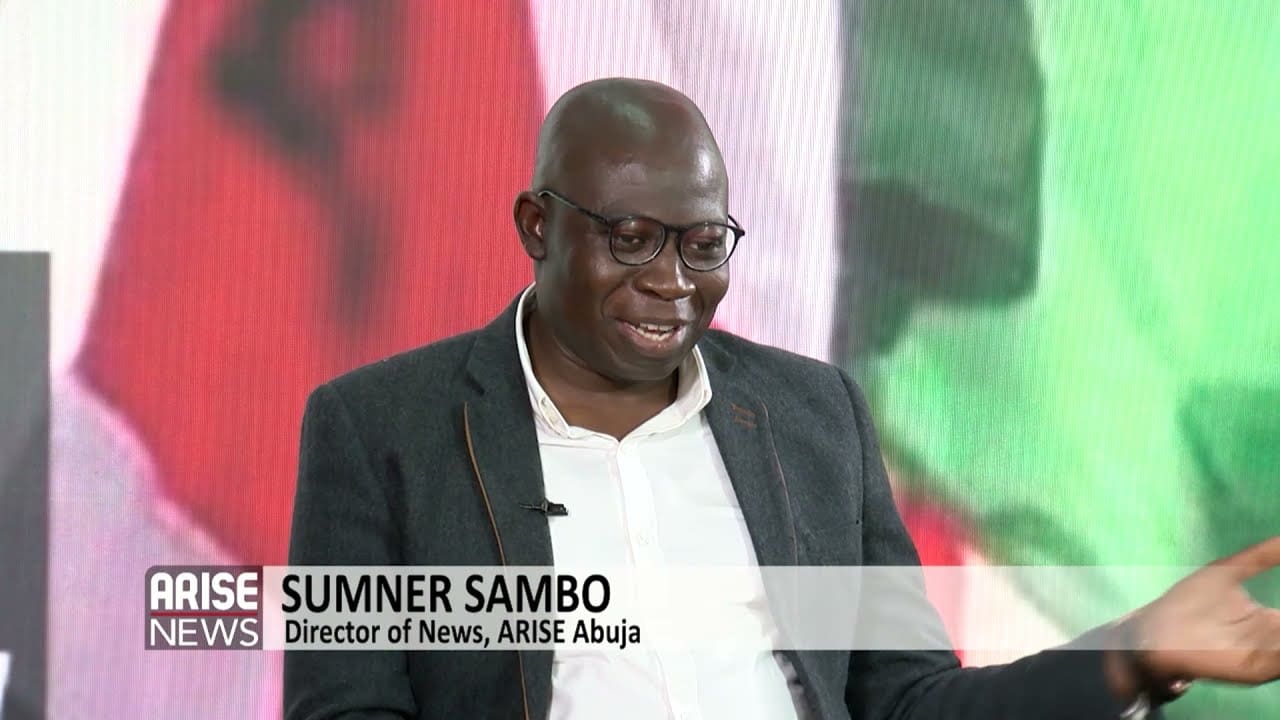
Arise Television’s Political News Editor, Sumner Sambo, has urged the African Democratic Congress (ADC) presidential candidate, Atiku Abubakar, to explain to Nigerians what his plan to return to fuel subsidy would entail if elected president in 2027.
Sambo made the call on Monday while featuring on Arise Television’s Morning Show.
His comment followed Atiku’s pledge to reinstate the fuel subsidy regime if elected president in the 2027 general election.
Atiku had argued that the removal of fuel subsidy by President Bola Tinubu’s administration had not benefited Nigerians.
Reacting to the proposal, Sambo said Atiku needed to provide more details on how his proposed subsidy policy would work and how it would benefit Nigerians.
RELATED NEWS:
- Atiku’s Fuel Subsidy Plan Could Reopen Nigeria’s Economic Bottlenecks – Expert
- Tinubu Berates Atiku Over Proposed Petrol Subsidy Return
- 2027: Atiku Promises to Restore Petrol Subsidy if Elected
“Atiku needs to explain to Nigerians what returning to fuel subsidy entails, if the African Democratic Congress is bringing this as a campaign strategy to actually take power,” he said.
He said the ADC must convince Nigerians about how it intends to implement the policy, noting that the savings from subsidy removal under the Tinubu administration had, in his view, benefited the elite more than ordinary Nigerians.
Sambo added that while Atiku’s team had argued that the government had provided incentives to investors in the upstream oil sector, Nigerians were still facing economic hardship.
“Nonetheless, it needs to convince more Nigerians on how it needs to go about this,” he said.
Atiku’s pledge to restore fuel subsidy has attracted criticism from the ruling All Progressives Congress (APC) and Minister of the Federal Capital Territory, Nyesom Wike, who accused the former vice president of inconsistency over the issue.

Rafiyat Sadiq is a political, justice, and human rights reporter with Pinnacle Daily, known for fearless reporting and impactful storytelling. At Pinnacle Daily, she brings clarity and depth to issues shaping governance, democracy, and the protection of citizens’ rights.