


For years, mobile photography felt like the exclusive playground of expensive flagship smartphones; the more you spent, the better your photos. In 2026, that assumption is gradually fading away.
Today, budget and mid-range smartphones can capture stunning, professional-looking images that rival even premium devices.
Thanks to breakthroughs in sensor technology, optical image stabilization (OIS), and AI-powered photography, you don’t need a six-figure price tag to take sharp, vibrant photos. From crisp daylight shots to impressive low-light images, these phones now give students, social media creators, young professionals, and everyday users in Nigeria the power to create content without breaking the bank.
Fahim Al Mahmud Ashik, a tech insider and reviewer for top smartphone brands including Samsung, OnePlus, and Snapdragon, recently highlighted the growing complexity of buying a phone for photography in 2026.
READ ALSO: Apple’s iPhone 17 Off to a Strong Start, Outselling iPhone 16 by 14% in China, U.S.
In a Late December 2025 post, he noted, “Buying a smartphone for photography in 2026 is becoming super confusing. On one hand, you have the Vivo X300 Ultra with best-in-class hardware for all three lenses, yet it still relies on heavy AI processing. The Xiaomi 17 Ultra has a 1-inch main sensor and excellent telephoto capabilities, but it can mess up default camera processing. Oppo Find X9 Ultra impresses with multiple telephoto lenses, while the S26 Ultra offers superb RAW support but weaker telephoto performance.”
He concluded with a relatable observation, “Is it too much to ask for a phone with Vivo X300 Ultra hardware, Oppo Find X9 Ultra’s auto mode processing, Xiaomi 17 Ultra’s third-party app support, and RAW mode from the S26 Ultra? Or am I being too greedy?”
Ashik’s post underscores a key challenge for buyers in 2026. Choosing a budget or mid-range phone is no longer just about hardware specs; AI processing, software optimization, and app support matter as much as megapixels.
Whether you’re documenting life’s moments, posting on Instagram, or exploring photography as a hobby, this guide will walk you through the 10 best budget-friendly smartphones with excellent cameras in 2026, along with their prices in USD and Naira, helping you make an informed choice that fits your budget.
1. Google Pixel 9a — The AI Masterpiece ($499 | ₦709,000)
Google’s Pixel 9a is the undisputed king of AI-enhanced photography in the budget category. Its 48MP main sensor captures crystal-clear images even in low-light conditions, while advanced computational photography ensures every portrait, macro, and astrophotography shot is crisp and vivid.

Why it stands out:
- AI-powered imaging enhances detail and color
- Excellent night and low-light performance
- Regular software updates keep it future-proof
If you want premium photography without paying a flagship price, the Pixel 9a is a no-brainer.
2. Samsung Galaxy A55 — Reliable and Balanced ($500–$570 | ₦711,000–₦810,000)
Samsung’s Galaxy A55 blends a 50MP main camera with OIS and polished software to deliver consistent photos and smooth 4K video. From morning selfies to evening street photography, this device performs reliably in nearly every scenario.

Why it stands out:
- All-around dependable camera
- OIS ensures stable video and sharp images
- Great for everyday users who need consistency
Perfect for people who want a phone that works everywhere without surprises.
3. Xiaomi Redmi Note 13 Pro+ 5G — Ultra-Resolution Wonder ($399 | ₦568,000)
This is a detail fanatic’s dream. The Redmi Note 13 Pro+ 5G sports a 200MP Samsung HP3 sensor, delivering unparalleled clarity and dynamic range for a mid-range price. Even cropped or zoomed shots maintain impressive quality.
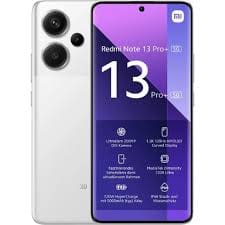
Why it stands out:
- Incredible detail in landscapes and portraits
- Strong color accuracy in most lighting
- Best value for high-resolution photography
If you love zooming in on detail or printing photos, this phone is a steal.
4. Samsung Galaxy A35 5G — The Flexible All-Rounder ($470 | ₦668,000)
With a 50MP main sensor, ultra-wide lens, macro lens, and 13MP selfie camera, the Galaxy A35 5G caters to creatives who want variety. It also supports 4K video recording, making it versatile for both photos and video content.

Why it stands out:
- Multi-lens setup allows creative photography
- Consistent color and performance
- Great for lifestyle and travel content
Ideal for people who want a “do-it-all” camera phone under ₦700K.
5. Vivo V30e — Night and Portrait Specialist ($300–$350 | ₦427,000–₦498,000)
The Vivo V30e shines in low-light photography, thanks to a 50MP Sony sensor with Aura Light. It captures natural-looking portraits and evening shots that other phones in this price range struggle with.

Why it stands out:
- Excellent night portrait capabilities
- Balanced colors in various lighting
- Intuitive camera interface
Perfect for social media users who post evening or portrait shots.
6. Motorola Edge 40 Neo — Vibrant and Lively ($350–$400 | ₦498,000–₦569,000)
Motorola’s Edge 40 Neo delivers bright, punchy photos with strong low-light performance. Its ultra-wide lens and AI enhancements make it ideal for capturing lively events or cityscapes.
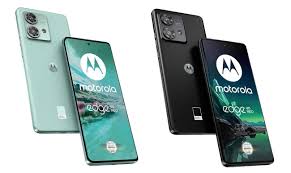
Why it stands out:
- Vibrant, eye-catching colors
- Reliable low-light photography
- Smooth video recording
A fun, social media-ready camera that won’t break the bank.
7. Google Pixel 7a — Low-Light Veteran ($399 | ₦568,000)
The Pixel 7a may be a slightly older model, but it still impresses. Its 64MP main sensor with Tensor G2 chip produces sharp, noise-free low-light shots, while AI processing keeps portraits and landscapes vibrant.

Why it stands out:
- AI photography enhances low-light scenes
- Software updates extend longevity
- Great performance for price-conscious buyers
A smart long-term investment for photography enthusiasts.
8. iQOO Z9 — Affordable Sharpness ($259 | ₦368,000)
The iQOO Z9 offers OIS-assisted 50MP imaging at a budget price. It delivers crisp daylight photos, smooth operation, and a surprisingly professional experience for under ₦400K.

Why it stands out:
- Sharp images with minimal blur
- Lightweight and responsive
- Best value under ₦400K
Perfect for students or young professionals seeking solid performance on a budget.
9. Samsung Galaxy A36 5G — Solid Daily Performer ($349 | ₦496,000)
The Galaxy A36 5G is all about dependability. Its triple-camera system delivers good daylight performance and reliable video, making it an ideal choice for casual photography.

Why it stands out:
- Consistent results for everyday use
- Simple, easy-to-use interface
- Affordable option for regular photography
For people who want reliable photos without fuss, this phone delivers.
10. Xiaomi 14T — Creative Control in Mid-Range ($500 | ₦711,000)
The Xiaomi 14T combines high-resolution hardware and versatile shooting modes, appealing to hobbyists and content creators who want manual control.

Why it stands out:
- Flexible shooting modes for photos and video
- Strong sensor performance for low-light and daylight
- Perfect for aspiring photographers
Ideal for creative users seeking flexibility in a mid-range phone.
Top 10 Affordable Phones With Pro‑Level Cameras in 2026
| Phone | Main Camera | Other Lenses | Key Features | USD Price | ₦ Price | Best For |
|---|---|---|---|---|---|---|
| Google Pixel 9a | 48MP | None | AI photography, excellent low-light, night mode, astrophotography | $499 | ₦709,000 | Low-light, AI-enhanced photos |
| Samsung Galaxy A55 | 50MP | None | OIS, 4K video, consistent daylight shots | $500–$570 | ₦711,000–₦810,000 | Everyday reliable photography |
| Xiaomi Redmi Note 13 Pro+ 5G | 200MP | None | Ultra-high resolution, great detail and dynamic range | $399 | ₦568,000 | Landscape, high-resolution shots |
| Samsung Galaxy A35 5G | 50MP | 8MP ultra-wide, 5MP macro, 13MP selfie | Multi-lens versatility, 4K video | $470 | ₦668,000 | Travel, creative shots |
| Vivo V30e | 50MP | None | Aura Light, natural portrait, strong low-light | $300–$350 | ₦427,000–₦498,000 | Portraits, evening photography |
| Motorola Edge 40 Neo | 50MP | Ultra-wide | Vibrant colors, low-light capable, AI enhancements | $350–$400 | ₦498,000–₦569,000 | Social media, lively images |
| Google Pixel 7a | 64MP | None | AI photography, low-light, Tensor G2 chip | $399 | ₦568,000 | Low-light, balanced performance |
| iQOO Z9 | 50MP | None | OIS, sharp daylight images, smooth performance | $259 | ₦368,000 | Budget-conscious photography |
| Samsung Galaxy A36 5G | 50MP | Triple-camera | Consistent results, simple interface | $349 | ₦496,000 | Everyday casual photography |
| Xiaomi 14T | High-res main | Multi-lens | Manual control, versatile modes | $500 | ₦711,000 | Creative users, flexible shooting |

Why 2026 is a Turning Point for Budget Photography
- AI Photography: Makes images sharper, brighter, and more accurate than ever.
- Advanced Sensors & OIS: Stable and clear shots, even in motion or low light.
- High-Resolution & Multi-Lens Setups: Flexibility for portraits, landscapes, and videos.
In 2026, there is no compromise budget phones are now photography powerhouses, and with prices ranging from $259–$570 | ₦368,000–₦810,000, Nigerian consumers can finally have professional-looking photos without paying a fortune.
Advice for Nigerian Buyers
- Buy from official retailers or verified e-commerce stores to avoid counterfeits.
- Compare real camera samples online before purchase.
- Check local after-sales support and warranty.
- Consider low-light performance if you take evening or indoor photos frequently.
READ ALSO: Infinix Hot60 Pro+ Breaks Guinness Records as Thinnest Smartphone
As tech insider Fahim Al Mahmud Ashik pointed out, finding a perfect phone can be confusing, but 2026’s budget and mid-range smartphones offer hardware, AI, and camera features that rival flagships. With so many choices, it’s no longer about compromise; it’s about picking the device that fits your needs, budget, and creativity. Your next stunning photo could be just a budget-friendly phone away.
2026 proves that premium photography is now accessible to everyone, and these 10 phones show that your next smartphone doesn’t have to cost a fortune to capture stunning memories.

Esther Ososanya is an investigative journalist with Pinnacle Daily, reporting across health, business, environment, metro, Fct and crime. Known for her bold, empathetic storytelling, she uncovers hidden truths, challenges broken systems, and gives voice to overlooked Nigerians. Her work drives national conversations and demands accountability one powerful story at a time.