
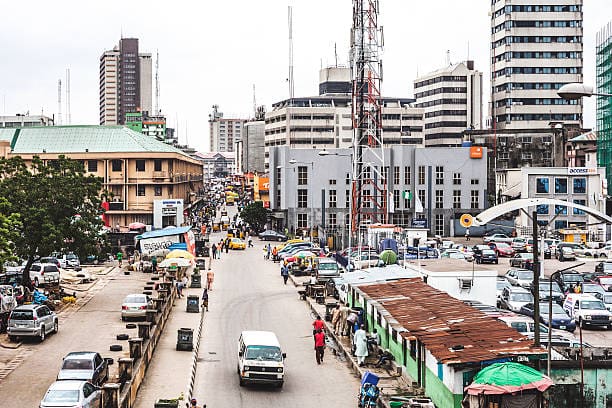
For years, Nigeria’s economic debates have revolved around oil prices, exchange rates and inflation. Yet beneath these top issues lies a quieter system that determines whether food reaches markets, medicines reach hospitals, and factories remain open- the supply chain. A new report by Rome Business School Nigeria (RBSN) argues that Nigeria’s weak and fragmented supply chains are silently draining growth, worsening inflation and undermining food and health security. The report insists that fixing these gaps could unlock billions of naira in value and add between 2 and 3 per cent to annual GDP growth. Released in January 2026, the report reframes Supply Chain Management (SCM) as a national development tool rather than a technical business function. It describes supply chains as the hidden infrastructure that connects farms to cities, factories to ports and consumers to essential goods. Why Supply Chains Matter More Than Ever According to the RBSN report, supply chains now shape everyday life. When they work, food prices stabilise, industries grow and jobs multiply. When they fail, inflation spikes and shortages hit households first. “Supply chains are the backbone of modern economies,” the report states. “For Nigeria, strengthening them means better access to food and medicines, stronger industries and reduced dependence on oil.” The report stresses that Nigeria’s recurring economic shocks from food inflation to drug shortages often originate from supply chain failures rather than production shortages. The report traces Nigeria’s supply chain structure back to the colonial era. At the time, roads, rail and ports served one …
Economy
- more articles
The Federal Government has reaffirmed its commitment to tackling Nigeria’s infrastructure challenges through bold, transparent partnerships with the private sector. President Bola Ahmed Tinubu, represented by Vice President Kashim Shettima, made the call while declaring open the 2025 Nigeria Public Private Partnership (PPP) Summit in Abuja. Organised by the Infrastructure Concession Regulatory Commission (ICRC), the …
By Esther Osansanya The Federal Government of Nigeria has called on African nations to harness the collective power of their sovereign wealth funds (SWFs) to drive transformative development, deepen regional integration and accelerate sustainable infrastructure delivery across the continent. Vice President Kashim Shettima made the call at the official opening of the 2025 Africa Sovereign …
By Esther Ososanya The Secretary General of the African Continental Free Trade Area (AfCFTA), Wamkele Mene, has called for urgent action to unlock the power of digital trade across the continent. Speaking at a side event during the 32nd Afreximbank Annual Meetings in Abuja, Mene described digital trade as one of the most promising tools …
The Securities and Exchange Commission (SEC) has declared the rising wave of Ponzi schemes in Nigeria a national emergency, warning that the proliferation of unregulated investment platforms is not only wiping out life savings but threatening the country’s economic and social stability. “Ponzi schemes have become a dangerous epidemic,” says Dr Emomotimi Agama, Director-General of …
As Ponzi schemes evolve in Nigeria, many are no longer led by faceless scammers. Instead, they now wear the familiar faces of celebrities, social media influencers, and online content creators. From actors to comedians and even musicians, these public figures are lending legitimacy to illegal investment platforms, often unknowingly, but sometimes for a fee. When …
D
Daily Bulletin Newsletter
Expert picks and exclusive
deals, in your inbox.