


Nigeria had been ranked among Africa’s top 10 countries on digital rights, but has dropped five places, weakening its position, according to the 2025 Londa Report released at the Digital Rights and Inclusion Forum (DRIF26) in Abidjan, Côte d’Ivoire.
The report places South Africa as the leading country on digital rights for the second consecutive year, followed by Ghana, Namibia, Senegal, Egypt, Zambia, Kenya, Rwanda, Malawi, and Nigeria.
Despite making the top 10, Nigeria recorded a decline in performance, dropping five places in the latest ranking.
The report also showed that Cameroon fell by 10 places, while Mozambique, the Democratic Republic of Congo, and Sudan ranked among the bottom five countries.
The Londa Report, published by Paradigm Initiative, assesses digital rights across Africa using a Digital Rights Score Index.
The ranking is based on factors such as access to information, freedom of expression, privacy protection, and digital inclusion.
While some countries showed progress, Nigeria’s drop highlights ongoing challenges in protecting internet freedoms and improving access to digital services.
READ ALSO:
- Nigeria Ranks 23rd Country with Lowest Global Petrol Prices
- ICPC Releases El-Rufai After Mother’s Death
- Dangote Sugar Targets ₦500bn Rights Issue to Fuel Growth
- Lafarge Africa Clears Debt, Posts ₦222bn Net Cash as Profit Jumps 173%
- Jimoh Ibrahim Resumes Duty as Nigeria’s Permanent Representative to UN
In contrast, Botswana and Egypt recorded the biggest improvements, moving up by more than nine places each.
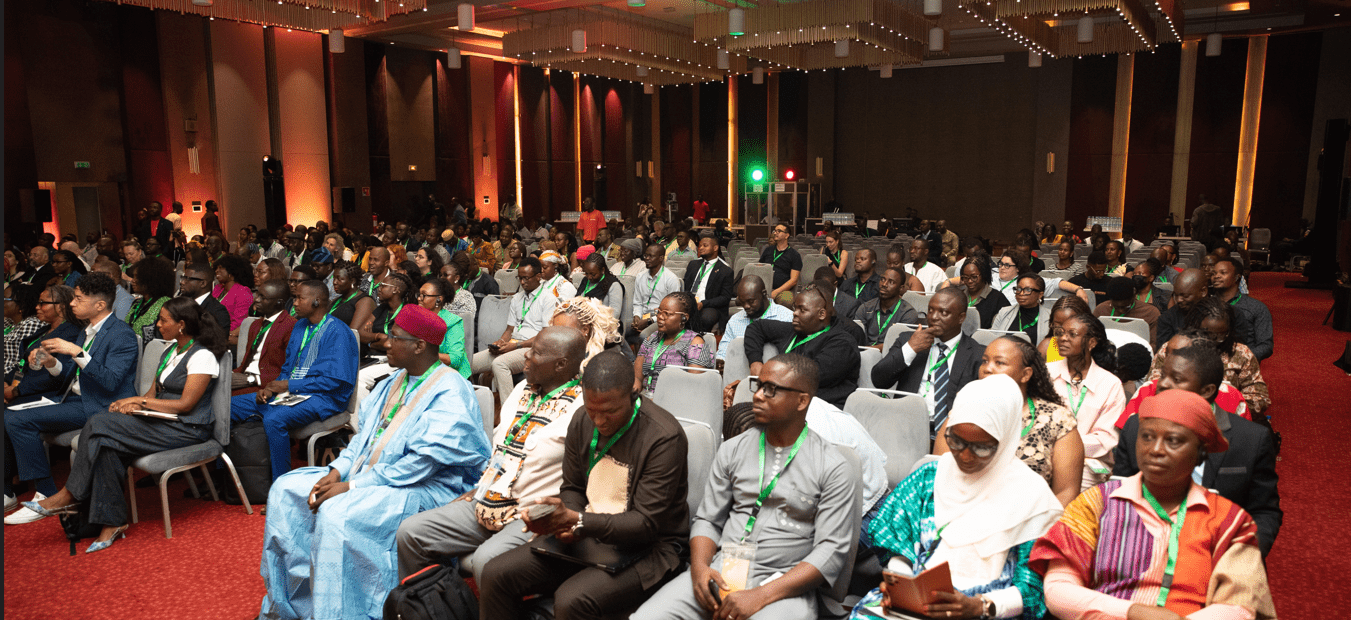
The report was unveiled during the three-day DRIF26 event, which brought together stakeholders from across Africa to discuss digital rights and inclusion.
Alongside the report, Paradigm Initiative launched a Digital Rights On-Demand Learning platform, offering free courses to improve awareness and understanding of digital rights.
Another report titled ‘Africa Facing Down: Disinformation’ was also released, examining how false information spreads in countries including Nigeria.
It found that misinformation is often driven by emotional narratives, online influencers, and social factors such as age, gender, and location.
Speaking at the forum, Paradigm Initiative’s Executive Director, ‘Gbenga Sesan, stressed the need for an honest evaluation of progress in digital inclusion.
“A society is only as strong as how it treats its weakest members. Yet in the area of inclusion, we must acknowledge that many have been left behind. As a community and as a continent, we need to remain resilient.
“We must continuously assess where we are, because we too often assume progress without truly measuring it. Only through honest evaluation and evidence can we understand the gaps and, more importantly, take meaningful action to close them. That is the responsibility we carry forward from this Forum,” ‘Gbenga said.
Experts at the event also called for stronger implementation of digital policies across Africa, noting that many frameworks exist but are not effectively enforced.
The forum featured over 400 participants, more than 100 sessions, and extensive online engagement, reflecting growing attention to digital rights issues on the continent.
The next edition of the forum is scheduled to take place in Nigeria in April 2027.

Alex is a business journalist cum data enthusiast with the Pinnacle Daily. He can be reached via ealex@thepinnacleng.com, @ehime_alex on X