

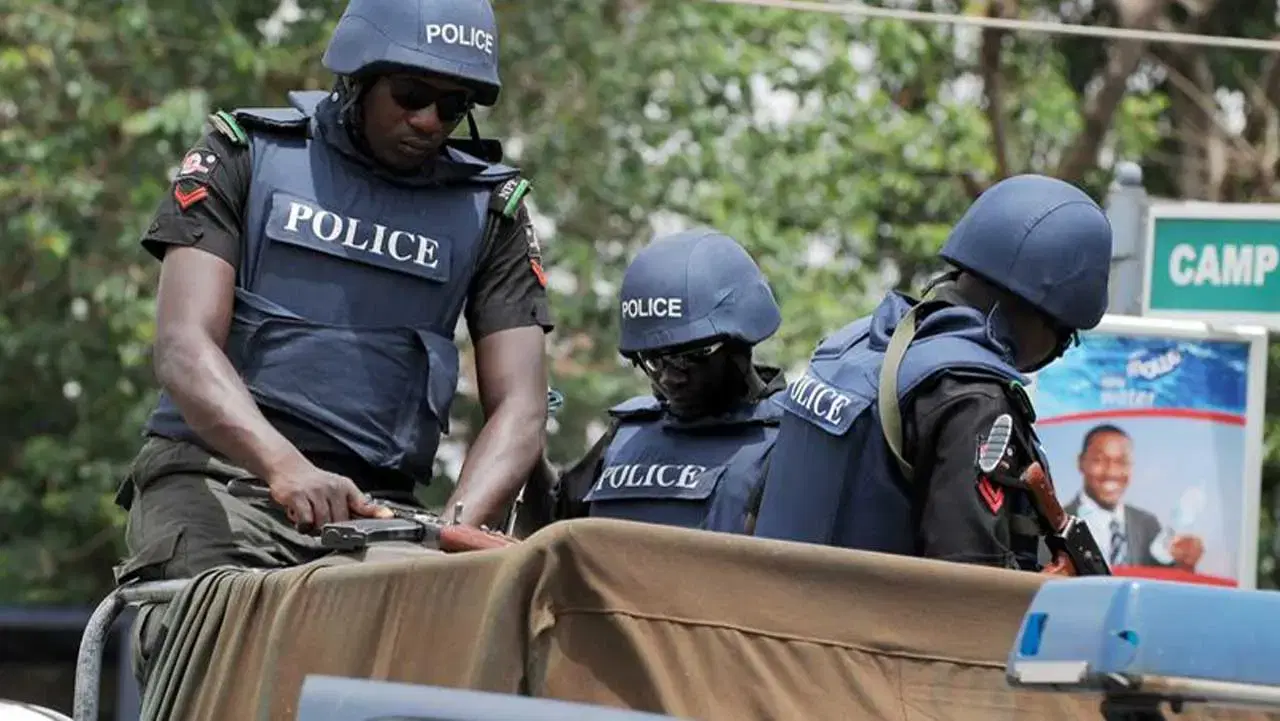
Former lawmaker says weak institutions, funding gaps and poor planning could undermine policing reforms
Former member of the House of Representatives, Hon. Nnenna Ukeje, has warned that Nigeria should not establish state police on the foundation of a weak Nigeria Police Force, insisting that the country’s national policing system must first be rebuilt before creating 36 state police commands.
Ukeje made the remarks on Thursday at the ARISE News Town Hall on State Police in Abuja, where she argued that while decentralising policing has become increasingly necessary due to worsening insecurity, the country must first put the right institutions and safeguards in place.
The discussion featured presentations by the Deputy Speaker of the House of Representatives, Benjamin Kalu, and Zamfara State Governor Dauda Lawal, both of whom supported the creation of state police.
Responding during the session, Ukeje shifted the debate beyond concerns about political interference to broader issues of institutional readiness.
“If we do not have a strong national police force, it will be difficult to build 36 effective state police forces on the foundation of a weak national police,” she said.
She noted that while many Nigerians now agree that policing powers should be devolved because the current centralised system is overstretched, the country must first determine whether it has laid the groundwork for such a significant reform.
Police Force Needs Rebuilding
Ukeje said years of insecurity have weakened the Nigeria Police Force, with many officers killed and critical infrastructure destroyed without replacement.
“The police itself has effectively been ‘de-policed’. In many places, large numbers of police officers have been killed alongside military personnel and have not been adequately replaced. In the South-East, numerous police stations have been burnt down and remain unrebuilt,” she said.
Although she supports state policing, she stressed that implementation must be gradual and guided by clear objectives, timelines and measurable milestones.
“I support devolution. However, I believe the immediate move towards state police must follow a clearly defined process,” she added.
She questioned whether the proposed state police structure was intended primarily to tackle terrorism or broader criminal activities, warning against portraying it as a cure-all for Nigeria’s security challenges.
“Many people seem to suggest that once state police is established, all our security problems will disappear. Is the state police really the magic bullet?” she asked.
Funding Remains a Major Concern
The former lawmaker identified funding as one of the biggest challenges facing the proposed reform.
She questioned whether many state governments possess the financial resources required to establish and sustain modern, professional police organisations.
“Ultimately, you get the security you are willing to pay for. The question then becomes: do the states actually have the financial capacity to establish and sustain the type of police force required to confront today’s security challenges?” she said.
According to her, the transition would also require reliable databases, transparent recruitment processes, modern training institutions and continuous capacity building for officers.
READ ALSO:
- Senate Passes Bill for State Police
- State Police Needed, But Governors Must Not Have Absolute Control – Oshoma
- State Police: Enough of Speeches, Time for Action- Okwori
- Establishing State Police Long Overdue – Lagos APC Tells Tinubu
Ukeje also expressed concern over the reported loss of about 175,000 firearms from Nigeria Police armouries, warning that expanding policing without addressing the proliferation of illegal weapons could worsen insecurity.
“As of today, the Nigerian Police Force has reportedly lost approximately 175,000 firearms from its armouries. Now we are proposing to establish additional police forces. Is anyone seriously discussing this issue with the National Centre for the Control of Small Arms and Light Weapons?” she asked.
She warned that arming personnel across all levels without adequate safeguards could increase the risk of weapons falling into the wrong hands.
Ukeje further urged the government to clearly define the responsibilities of the Nigeria Security and Civil Defence Corps, the military and other security agencies before introducing state police.
She said unresolved issues relating to jurisdiction, overlapping responsibilities and operational coordination could create fresh constitutional and security challenges.
“I believe the finer details must first be addressed because we are dealing with an issue that, if poorly implemented, has the potential to create even greater problems,” she said.
Reiterating her position, Ukeje maintained that while state police may eventually become necessary, Nigeria must first strengthen existing institutions, establish adequate safeguards and develop a clear implementation framework to ensure the reform enhances rather than weakens national security.

Esther Ososanya is an investigative journalist with Pinnacle Daily, reporting across health, business, environment, metro, Fct and crime. Known for her bold, empathetic storytelling, she uncovers hidden truths, challenges broken systems, and gives voice to overlooked Nigerians. Her work drives national conversations and demands accountability one powerful story at a time.