

By Esther Ososanya
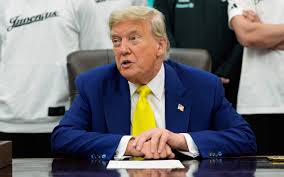
U.S. President Donald J. Trump has signed a sweeping executive order extending the deadline for his proposed reciprocal tariff regime to August 1, 2025, giving over a dozen nations a narrow window to renegotiate trade deals or face tariffs ranging from 25% to 40% on select goods entering the U.S.
The executive order, signed late Monday, postpones the implementation of the controversial tariffs originally scheduled for July 9, citing what Trump’s office called “positive traction” in early bilateral negotiations and “strategic room for partners to respond to America’s fair-trade call”.
ALSO READ: Nations Scramble as US Tariff Deadline Looms
A Blow to Multilateralism
Under the new policy, countries that impose higher tariffs on U.S. goods than the U.S. does in return will be subjected to “mirror tariffs”, a strategy Trump’s team describes as “restoring balance”. While trade allies like Vietnam and the United Kingdom have reportedly secured exemptions by adjusting their tariff structures, others, including Japan, South Korea, Indonesia, Tunisia, Serbia, and several BRICS-aligned nations, remain at risk.
Critics say the move undermines the World Trade Organisation’s rules-based system and could trigger retaliatory tariffs, hurting global trade flows.
“This is not just economic brinkmanship; it’s geopolitical messaging. Trump is signalling that the U.S. is pivoting firmly toward protectionism, and he’s doing it in the middle of a fragile global recovery.”
Market Shock and Global Unease
News of the executive order sent tremors through global markets on Tuesday. U.S. stocks dipped, with manufacturing and tech sectors hit hardest. Asian markets responded with caution, while officials in Brussels, Tokyo, and Seoul requested urgent bilateral consultations.
“This is a throwback to Trump’s first term, but more aggressive.” The difference now is the added complexity of the BRICS+ dynamics and new economic coalitions forming outside U.S. influence.”
ALSO READ: BRICS Summit Draws Trump’s Tariff Threat
Africa, ASEAN, and the New Trade Frontier
Notably, several developing nations in Africa and Southeast Asia are on the potential tariff list. Nigeria, which currently faces limited exposure to U.S. tariffs due to low export volumes, may still feel ripple effects, especially if multilateral trade routes are disrupted or foreign investment is redirected
“Nigeria needs to stay alert. If countries like Malaysia and Indonesia suffer from this trade war, their goods will flood African markets, undermining local industry.”
What’s Next?
With the new August 1 deadline, countries now face intense pressure to revise their trade pacts. Trump’s team has also floated the idea of a 10% surcharge on imports from countries “actively aligned” with BRICS, a move that could affect China, Brazil, and South Africa, among others.
Despite legal challenges and international opposition, Trump remains defiant.
“We’re not punishing anyone,” he said in a brief televised address. “We’re just asking for what’s fair. If they tax our goods at 40%, we tax theirs the same. Simple.”

Esther Ososanya is an investigative journalist with Pinnacle Daily, reporting across health, business, environment, metro, Fct and crime. Known for her bold, empathetic storytelling, she uncovers hidden truths, challenges broken systems, and gives voice to overlooked Nigerians. Her work drives national conversations and demands accountability one powerful story at a time.