

By Esther Ososanya
Nigeria is bracing for a fresh surge in consumer prices as escalating hostilities between Israel and Iran send shockwaves through global commodity markets, pushing Brent crude toward US$130 per barrel.
Though the oil rally promises windfall revenues for Africa’s largest producer, analysts warn that any fiscal boost could be eclipsed by a new wave of inflation and higher living costs for millions of Nigerians.
Oil Windfall, Inflation Whiplash
The Federal Government’s 2025 budget is predicated on a US$75 benchmark, meaning every extra dollar above that level should fatten the treasury and strengthen the Naira.
“In theory, this is the kind of price spike that swells external reserves and trims borrowing needs,” said Abuja‑based economist Dr. Ifeanyi Ubah in a LinkedIn post. “In practice, it behaves like a double‑edged sword.”
The downside stems from Nigeria’s near‑total reliance on imported refined fuel. Since petrol subsidies were scrapped in 2023, retail pump prices now move in lockstep with international crude.
Several downstream marketers have said petrol could breach ₦1,000 per litre “within weeks” if the current rally persists.
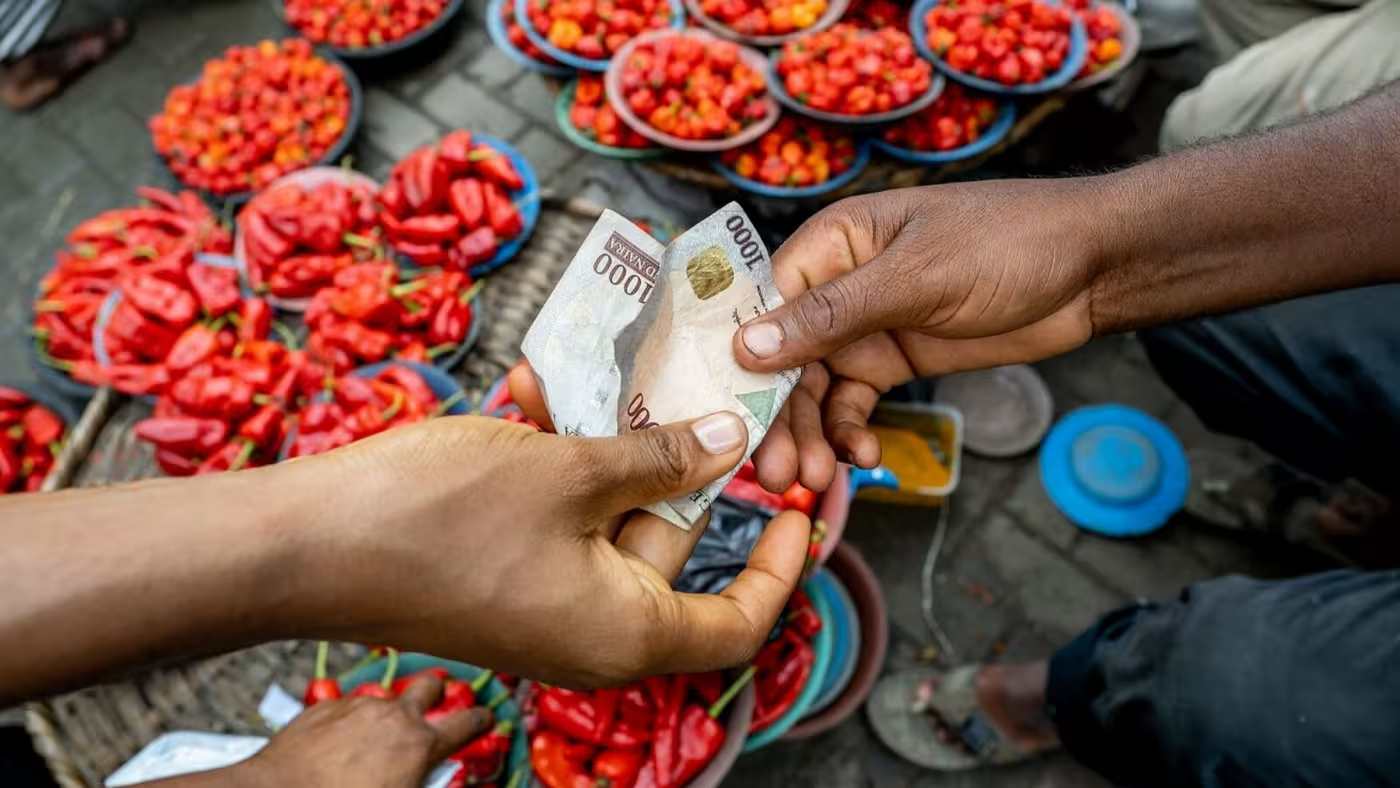
The ripple effect on transport fares, food, and household essentials would almost certainly drive headline inflation—already at 32.5 percent—to new highs.
Production Bottlenecks Persist
Despite higher prices, Nigeria’s crude output still hovers between 1.4 million and 1.5 million barrels per day, far below its 1.8 million bpd OPEC quota.
Years of pipeline vandalism, oil theft, and deferred maintenance continue to cap production. “We’re like owners of a Ferrari with a flat tyre,” Ubah quipped. “The engine purrs, but the car won’t hit top speed.”
Supply‑Chain Jitters
Beyond crude, the Israel‑Iran conflict threatens to disrupt key shipping lanes—including the Strait of Hormuz and the Red Sea—raising freight premiums on everything from imported rice to pharmaceuticals.
“Any prolonged disruption will translate into delayed cargoes and higher landing costs,” said Amaka Onwuli, a Lagos‑based logistics consultant. “Small businesses will feel the squeeze first.”
Market Sentiment Turns Cautious
Global investors have already turned defensive: gold prices climbed above US$2,450 an ounce this week while the CBOE Volatility Index touched levels last seen during the early days of the Russia‑Ukraine war.
Nigeria’s equities benchmark, the NGX All‑Share Index, shed 3.2 percent in Thursday trading on fears of capital flight.
Policy Options on the Table
Fiscal experts argue that the federal government must act quickly to turn crude gains into real economic cushioning.
They have called for fast‑tracking domestic refining with modular refineries to reduce import dependence, Ring‑fencing excess crude earnings to stabilise the Naira and service external debt.
“Nigeria can’t afford to let another oil boom slip through its fingers,” said Dr. Zainab Muktar, a former member of the Presidential Economic Advisory Council. “The choice is between translating windfalls into resilience—or watching purchasing power erode in real time.”
Outlook
With Middle‑East tensions unlikely to abate soon, the Central Bank of Nigeria faces a delicate balancing act: tamping down inflation without stifling growth.
For ordinary Nigerians, the more immediate concern is whether their wages can keep pace with rapidly rising prices at the pump and in the marketplace.
As war drums echo thousands of kilometres away, the economic battle for affordability is about to be fought on Nigerian streets.
What Nigeria Stands to Gain and Lose
Winners
| Sector/Group | Why They Benefit |
|---|---|
| Federal Government | Increased oil revenue and FX reserves |
| Oil Exporters | Higher earnings from crude sales |
| Naira (Temporarily) | Likely support from stronger inflows |
| Government Contractors | More capital project funding |
| Petroleum Stockholders | Potential gains in Nigerian and global oil stocks |
Losers
| Sector/Group | Why They Suffer |
|---|---|
| Consumers | Higher fuel, food, and transport costs |
| Transport Operators | Rising diesel/petrol costs shrink profit margins |
| Small Businesses | Increased import and logistics expenses |
| Low-Income Households | Further erosion of purchasing power |
| Importers | Supply chain disruptions and shipping delays |

Esther Ososanya is an investigative journalist with Pinnacle Daily, reporting across health, business, environment, metro, Fct and crime. Known for her bold, empathetic storytelling, she uncovers hidden truths, challenges broken systems, and gives voice to overlooked Nigerians. Her work drives national conversations and demands accountability one powerful story at a time.