

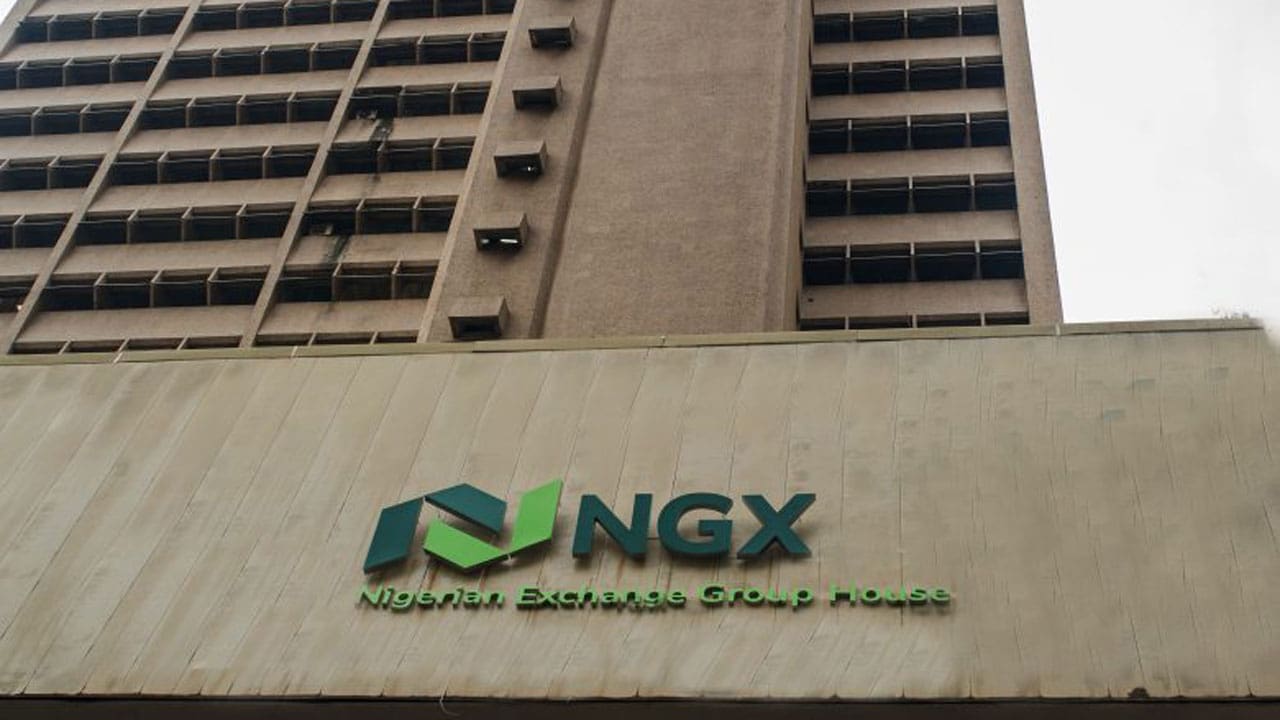
The Nigerian Exchange Limited (NGX) has concluded its full-year 2025 market index review, with significant changes to its key stock market indices.
The reshuffled indices took effect at the start of trading on Friday, January 2, 2025, according to the Exchange’s official statement.
Notable additions to key indices include Guinness Nigeria Plc, Presco Plc, and Wema Bank, all of which have demonstrated improved market performance and positions during the past year. However, some companies, including United Capital Plc, Access Corporation, International Breweries, and Stanbic IBTC, were removed as part of the periodic rebalancing process.
This reshuffle reflects shifting trends in market capitalisation, liquidity, and sector performance within Nigeria’s capital markets.
Key Data Insights
The changes in the NGX indices were driven by shifts in market capitalisation, liquidity, compliance, and sector performance, influencing both passive and active investment strategies within the Nigerian capital market.
In the NGX 30 Index, which tracks the 30 most capitalised and liquid stocks, Guinness Nigeria Plc was added, replacing United Capital Plc.
This move signals increased investor interest, improved liquidity, or growth in Guinness’ market value throughout the year, as the company was also the best-performing consumer goods stock in 2025.
United Capital’s removal does not necessarily imply a decline in fundamentals but reflects its relative drop in ranking based on the index’s criteria.
Among sector-specific indices, changes were minimal:
-
NGX Insurance Index: Mutual Benefits Assurance was added, replacing Guinea Insurance.
-
NGX Oil & Gas Index: Japaul Gold & Ventures Plc replaced MRS Oil Nigeria.
-
Banking, Consumer Goods, and Industrial Goods Indices: No changes, indicating relative stability within these sectors.
Thematic and Compliance-Focused Shifts
Several other thematic and compliance-focused indices saw notable changes:
-
NGX Pension Index: Wema Bank Plc was admitted, while International Breweries was removed. This shift reflects changes in free float, liquidity, and compliance with Nigeria’s pension investment guidelines.
-
NGX Lotus Islamic Index: Presco Plc was added, showcasing continued investor interest in agriculture-linked and export-driven firms within the Shariah-compliant stock universe.
-
NGX Pension Broad Index: The Nigeria Infrastructure Debt Fund was added, while Regency Alliance and Veritas Kapital were removed.
-
Afrinvest Bank Value Index: New additions include Wema Bank, Jaiz Bank, Access Holdings, and Stanbic IBTC, highlighting the renewed momentum among tier-one and mid-tier banks.
-
Afrinvest Dividend Yield Index: The index saw new entries such as Dangote Cement, Okomu Oil, Vitafoam, and Conoil, underlining the preference for dividend-paying stocks in a high-interest-rate environment.
-
Meristem Growth Index: BUA Cement, Lafarge Africa, AXA Mansard, AIICO, CAP, Conoil, and United Capital were added, reflecting strong earnings growth momentum.
-
Meristem Value Index: New additions include ETI, Julius Berger, and NEM Insurance, while Dangote Sugar, TotalEnergies, and Lafarge Africa were removed.
Why These Index Changes Matter
NGX index reviews go beyond routine updates—they play a crucial role in influencing investor decisions, fund allocation, and stock visibility.
Passive investment products, institutional portfolios, and exchange-traded funds often mirror these indices, driving inflows into newly added stocks and outflows from those removed.
Jude Chiemeka, CEO of NGX, emphasised that the index review is part of the Exchange’s strategy to deepen liquidity and enhance investor confidence through product innovation.
Abimbola Babalola, Head of Trading and Products, noted that the rebalancing ensures efficient market tracking and alignment with investor portfolios.
What Investors Should Know
Every year, NGX reviews and updates the companies included in its primary stock market indices. The Exchange evaluates companies based on criteria like size, share price, trading activity, and the amount of shares available to the public. Companies that no longer meet these standards are removed, while better-performing or high-growth companies are added.
For investors, these index changes matter because funds and investors tracking these indices may buy into the new entrants and sell off companies that were removed.
This can cause share prices to shift, providing useful signals about which stocks are gaining relevance and which may be losing ground in Nigeria’s equity market.

Sunday Michael Ogwu is a Nigerian journalist and editor of Pinnacle Daily. He is known for his work in business and economic reporting. He has held editorial roles in prominent Nigerian media outlets, where he has focused on economic policy, financial markets, and developmental issues affecting Nigeria and Africa more broadly.