

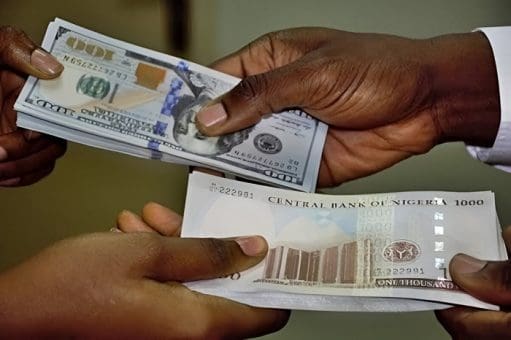
The Nigerian Naira maintained a relatively stable performance against the United States Dollar on Thursday, April 2, 2026, as improved liquidity and sustained policy support continued to underpin gains recorded at the start of the new quarter.
At the Central Bank of Nigeria-regulated Nigerian Foreign Exchange Market (NFEM), the Naira traded at an average of ₦1,382.45 per Dollar in early transactions. This follows a 0.58 per cent appreciation recorded on Wednesday, when the currency closed at ₦1,378.70, compared to ₦1,386.72 at the end of March.
The steady performance reflects ongoing interventions by the apex bank, alongside reforms in diaspora remittances that have helped channel more foreign exchange into the official market. These measures have boosted liquidity and reduced pressure on the Naira.
In the parallel market, the Dollar exchanged between ₦1,410 and ₦1,415 in major cities, including Lagos, Abuja, and Kano. The marginal difference between official and parallel market rates is currently about ₦32, reflecting improved market efficiency and a gradual narrowing of the exchange rate gap.
READ ALSO:
- Naira Holds Steady at ₦1,383 Amid FX Pressures as Q1 2026 Closes
- Naira-for-Crude Deal: Dangote Refinery Alleges 70% Shortfall in Domestic Supply
- Naira Remains Stable Against Dollar as FX Market Opens Second Week of February
- Stocks Fall, Naira Weakens as Investors Turn Cautious
Analysts attribute the currency’s relative stability to a combination of factors, including enhanced liquidity through the CBN’s Electronic Foreign Exchange Matching System (EFEMS), tighter monetary policy conditions, and sustained investor confidence. The Monetary Policy Rate remains at 26.5 per cent, helping to attract foreign portfolio inflows and support the Naira.
Nigeria’s external reserves, however, continue to face moderate pressure, recently dipping slightly below the $50 billion mark due to debt servicing obligations and continued market interventions.
Looking ahead, the Naira is expected to trade within a narrow band of ₦1,375 to ₦1,395 in the official market, as policymakers maintain efforts to stabilise the currency and deepen liquidity. Market participants are also watching global oil prices closely, given their critical role in driving foreign exchange inflows into the economy.
For now, the currency’s steady performance signals cautious optimism, as Nigeria’s FX market gradually moves toward greater stability and improved transparency.

Esther Ososanya is an investigative journalist with Pinnacle Daily, reporting across health, business, environment, metro, Fct and crime. Known for her bold, empathetic storytelling, she uncovers hidden truths, challenges broken systems, and gives voice to overlooked Nigerians. Her work drives national conversations and demands accountability one powerful story at a time.