
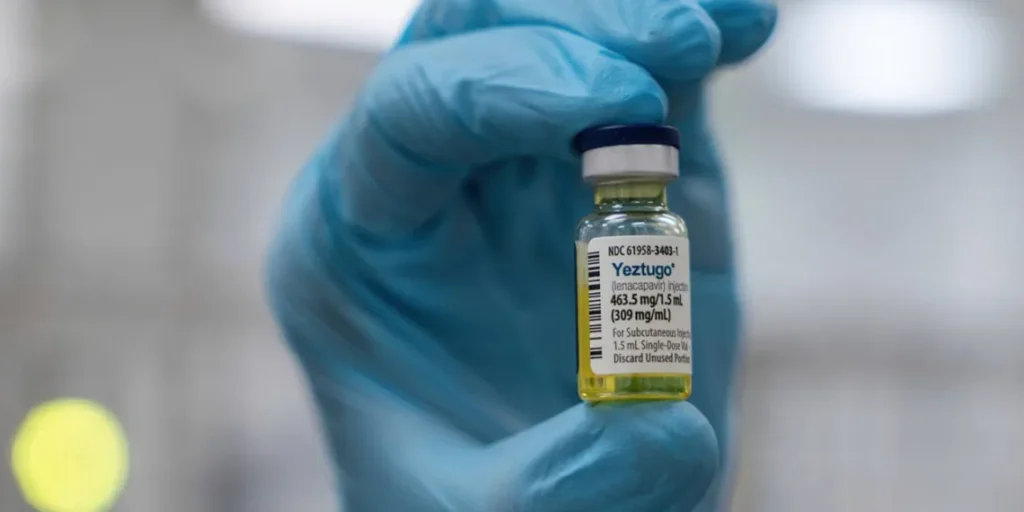
Nigeria is set to introduce lenacapavir, a twice-yearly injectable drug for HIV prevention, in March 2026.
Health experts say the injection could revolutionize HIV prevention, offering a more convenient and discreet alternative to daily oral PrEP for people at high risk of infection.
Lenacapavir is a long-acting antiretroviral that targets the HIV capsid, preventing the virus from replicating after exposure. Unlike daily oral PrEP, it is administered once every six months, reducing the burden of daily medication.
According to WHO, the injection provides a “highly effective, long-acting alternative” for populations facing adherence challenges, stigma, or limited access to healthcare. Data shows lenacapavir reduces HIV transmission by 99.9%, making it one of the most effective prevention tools to date.
Global Backing and WHO Recommendation
The World Health Organization (WHO) formally recommended lenacapavir in July 2025 as an additional PrEP option during the International AIDS Society Conference in Kigali, Rwanda.
WHO emphasized that the injection should complement existing prevention tools such as oral PrEP and condoms, particularly amid global stagnation in reducing new infections. In 2024, 1.3 million new HIV infections were recorded worldwide, with 40.8 million people living with HIV. Nearly 65% of those affected reside in Africa.
READ ALSO:
- UNICEF Strikes New Deal to Slash Malaria Vaccine Costs, Expand Access Across Africa
- Kano: 7m Children To Receive Measles, Rubella Vaccines
- FCTA, Faith Leaders Unite to End Vaccine Hesitancy in Abuja
- Beyond Vaccines, Experts Push for Cleaner Environment as Key to Public Health
UNAIDS welcomed the development, describing innovative prevention tools as essential to reversing new infections globally.
While lenacapavir’s initial cost was prohibitive around $28,000 per person per year in high-income countries a price-reduction agreement announced in September 2025 lowered the cost to about $40 per person per year for eligible low- and middle-income countries.
Following successful rollout in South Africa, Eswatini, and Zambia, Nigeria confirmed adoption plans in December 2025, ensuring wider access for at-risk populations.
Why It Matters for Nigeria
HIV remains a major public health concern in Nigeria. Prevalence among adults aged 15–49 stands at 1.3%, with 1.9 million people living with HIV. Although treatment coverage has improved, prevention gaps persist.
Daily oral PrEP, available for over a decade, requires strict adherence, which many find challenging due to stigma, pill fatigue, or access barriers. Long-acting injectables like lenacapavir could overcome these challenges, particularly for adolescent girls and young women, sex workers, men who have sex with men, people who inject drugs, and other priority populations.
Rollout Plans in Nigeria
The National Agency for the Control of AIDS (NACA) has completed readiness assessments in 10 states, including Lagos, Kano, Akwa Ibom, and Anambra. National training for healthcare workers has been conducted, followed by step-down training in implementation states.
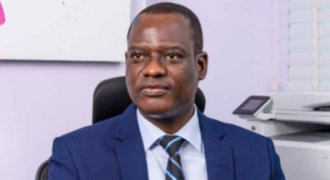
Communication materials are being prepared to raise awareness and generate demand ahead of distribution. NACA’s Director-General, Temitope Ilori, described the introduction of lenacapavir as part of a strategy to build a sustainable and self-reliant HIV response, particularly amid global funding uncertainties.
The federal government has also approved additional funding to support uninterrupted HIV prevention and treatment services.
The arrival of lenacapavir in March 2026 marks a major milestone in Nigeria’s HIV prevention efforts. With twice-yearly dosing, WHO backing, and affordable pricing, the injection promises to expand protection for at-risk populations, reduce adherence challenges, and strengthen Nigeria’s fight against HIV.

Esther Ososanya is an investigative journalist with Pinnacle Daily, reporting across health, business, environment, metro, Fct and crime. Known for her bold, empathetic storytelling, she uncovers hidden truths, challenges broken systems, and gives voice to overlooked Nigerians. Her work drives national conversations and demands accountability one powerful story at a time.