
For years, Nigeria’s economic debates have revolved around oil prices, exchange rates and inflation. Yet beneath these top issues lies a quieter system that determines whether food reaches markets, medicines reach hospitals, and factories remain open- the supply chain.
A new report by Rome Business School Nigeria (RBSN) argues that Nigeria’s weak and fragmented supply chains are silently draining growth, worsening inflation and undermining food and health security. The report insists that fixing these gaps could unlock billions of naira in value and add between 2 and 3 per cent to annual GDP growth.
Released in January 2026, the report reframes Supply Chain Management (SCM) as a national development tool rather than a technical business function. It describes supply chains as the hidden infrastructure that connects farms to cities, factories to ports and consumers to essential goods.
Why Supply Chains Matter More Than Ever
According to the RBSN report, supply chains now shape everyday life. When they work, food prices stabilise, industries grow and jobs multiply. When they fail, inflation spikes and shortages hit households first.
“Supply chains are the backbone of modern economies,” the report states. “For Nigeria, strengthening them means better access to food and medicines, stronger industries and reduced dependence on oil.”
The report stresses that Nigeria’s recurring economic shocks from food inflation to drug shortages often originate from supply chain failures rather than production shortages.
The report traces Nigeria’s supply chain structure back to the colonial era. At the time, roads, rail and ports served one goal: exporting raw materials such as cocoa, palm oil and minerals.
This pattern continued after independence. The oil boom of the 1970s reshaped logistics around petroleum exports, pipelines and ports, while other sectors received limited attention.
Today, oil and gas still account for about 90 per cent of Nigeria’s foreign exchange earnings, yet these supply chains remain fragile. Theft, pipeline vandalism and bureaucratic delays cost the country billions of naira annually, according to the report.
Outside oil, the picture is equally troubling. Nigeria exports over $1.5 billion worth of cocoa and sesame seeds each year, yet captures only a fraction of the final value due to weak processing capacity and poor logistics integration.
Infrastructure Gaps Are Costing the Economy
Infrastructure remains the biggest structural constraint on Nigeria’s supply chains.
The report notes that Nigeria has about 195,000 kilometres of roads, but only a small fraction are paved. Poor road conditions increase transport costs by up to 40 per cent, while final consumer prices rise by nearly 30 per cent.
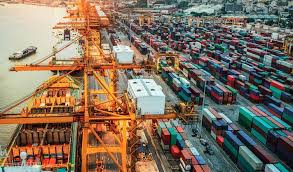
At ports, congestion and slow clearance processes delay cargo for days or weeks. For manufacturers and exporters, these delays raise costs and weaken competitiveness.
In agriculture, the consequences are severe. Poor roads, unreliable power and limited cold storage cause up to 40 per cent of perishable crops to spoil before reaching markets. These losses translate directly into higher food prices and reduced farmer incomes.
Security challenges further disrupt supply routes. Banditry in northern Nigeria and vandalism in the Niger Delta regularly delay goods and endanger drivers.
The 2023 removal of fuel subsidies delivered another major shock. Higher fuel prices raised transport and logistics costs nationwide, tightening supply chains and pushing prices of essential goods upward.
According to the RBSN report, these combined pressures have made logistics one of the fastest-growing cost centres for Nigerian businesses.
Digital Progress Remains Uneven
The COVID-19 pandemic forced many Nigerian firms to adopt digital tools such as e-procurement and online inventory management. However, the report finds that adoption remains uneven.
Advanced technologies like artificial intelligence, blockchain and predictive analytics remain out of reach for many businesses due to high costs, weak broadband coverage and skills shortages.
Small and medium-sized enterprises which form the backbone of Nigeria’s economy struggle the most. As a result, supply chain inefficiencies persist even as global competitors move ahead.
The human cost of weak supply chains is most visible in agriculture and healthcare.
Smallholder farmers, who produce most of Nigeria’s food, often lose large portions of their harvest due to poor storage and transport delays. These losses reduce rural incomes and worsen urban food inflation.
In healthcare, weak supply chains have caused repeated shortages of essential medicines, including malaria drugs, especially in northern states. Poor cold-chain systems and power outages damage vaccines and other temperature-sensitive products before they reach patients.
The report warns that without urgent reforms, these failures will continue to undermine public health outcomes.
AfCFTA and the Path to Recovery
Despite the challenges, the report identifies major opportunities.
Under the African Continental Free Trade Area (AfCFTA), improved logistics and customs cooperation could boost intra-African trade by more than 20 per cent. Nigeria, with its large market and strategic location, could emerge as a regional supply chain hub.
The report also highlights emerging trends such as, City-based warehousing, electric delivery vehicles, greener logistics models, digitised customs and inventory systems.
These innovations could cut costs, reduce emissions and support the rapid expansion of e-commerce.
READ ALSO:
-
Nigeria Unveils Fibre Optic Plant to Strengthen AfCFTA Competitiveness
-
Nigeria, Turkey to Set up Joint Committee to Hit $5bn Trade Target
-
Nigeria Targets Top Global Cocoa Producer Status to Boost Jobs, Trade
-
Bank of Canada Expected to Hold Rates Amid Trade Uncertainty
Prof. Antonio Ragusa, Dean and Founder of Rome Business School Nigeria, said the country stands at a critical moment.
“Nigeria has the resources, the market and the talent,” he said. “What is needed now is coordinated action to modernise infrastructure, embrace technology and build resilient supply chains that work for businesses and citizens alike.”
The report concludes that strengthening supply chain management is no longer optional. It is a national development priority that cuts across food security, healthcare, industry and trade.
If Nigeria fixes its supply chains, the gains will extend far beyond logistics unlocking growth, stabilising prices and building a more resilient economy for the future.

Esther Ososanya is an investigative journalist with Pinnacle Daily, reporting across health, business, environment, metro, Fct and crime. Known for her bold, empathetic storytelling, she uncovers hidden truths, challenges broken systems, and gives voice to overlooked Nigerians. Her work drives national conversations and demands accountability one powerful story at a time.