The Nigeria Governors’ Forum (NGF) has agreed to prioritise sugar as a key product for industrial growth in states across the country.
The Forum also resolved to include sugar projects as key beneficiaries in its engagements with development partners within and outside Nigeria. The move aims to boost agro-industrial development and reduce the country’s reliance on sugar imports.
The decision followed requests by the National Sugar Development Council (NSDC), which seeks to grow the sugar sector, stop raw sugar importation, create jobs, and achieve national self-sufficiency in sugar production.
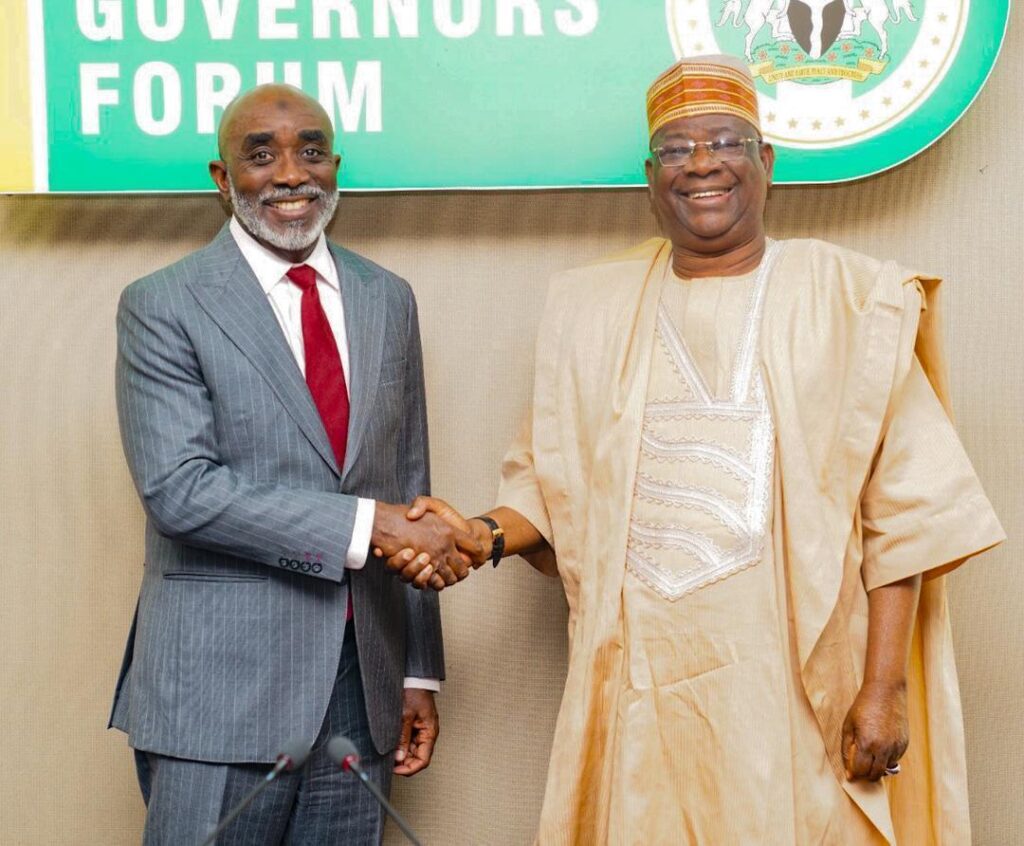
To achieve these goals, the NGF agreed to partner with the NSDC. The partnership will help states design sugar projects that are ready for investors. It will also promote structured engagement between state governments, investors, and industry operators.
The collaboration will further improve coordination around key issues such as land access, infrastructure, and incentives.
NSDC Pitches Investment Opportunities
The Executive Secretary and Chief Executive Officer of the NSDC, Mr. Kamar Bakrin, made the proposal during a meeting with NGF leadership. He urged governors of sugar-producing states to embrace sugar project development.
He identified 11 states with suitable land for profitable sugarcane farming. These include Oyo, Kwara, Niger, Nasarawa, Kaduna, Kano, Bauchi, Gombe, Jigawa, Adamawa, and Taraba.
Mr. Bakrin said recent economic changes have made local sugar production more attractive. He explained that while global sugar prices remain stable, exchange rate movements have increased the cost of imports.
“This shift has improved the commercial value of locally produced sugar, whose inputs are mostly sourced in naira,” he said.
Nigeria Has Land, Labour, and Water
The NSDC boss said Nigeria now has strong fundamentals for sugar production. Studies, he noted, show that about 1.2 million hectares of land across the country are suitable for sugarcane farming.
He added that Nigeria needs only 200,000 hectares to achieve self-sufficiency.
“With available land, water, labour, and policy support, Nigeria is well placed for large-scale sugar investment,” he said.
Mr. Bakrin disclosed that Nigeria’s sugar industry is currently valued at about $2 billion. He said the value could rise to $7 billion across Africa under the African Continental Free Trade Agreement (AfCFTA).
He added that sugar by-products such as ethanol and bio-electricity alone have a market value of about $10 billion in Nigeria.
READ ALSO:
-
NSCDC Officer Bags 7 Years Jail Over Forgery
-
NSCDC Launches Nationwide Crackdown on Illegal Mining
-
Sugar Council Launches Outgrower Programme to Boost Local Production
-
Nigeria Moves to Slash Sugar Import Bill with $1B Expansion Drive
Addressing community concerns, Mr. Bakrin said sugar projects integrate host communities into the value chain.
“The industry brings communities in as partners and workers through out-grower schemes and direct jobs,” he said.
He added that sugarcane projects promote inclusive growth and support environmental sustainability.
Mr. Bakrin cited a model sugar project producing 100,000 metric tonnes yearly. He said such a project requires an estimated investment of $250 million.
According to him, the project can deliver an internal rate of return of about 24 per cent. It also generates extra income from ethanol and bio-electricity.
NGF Pledges Support to States
The Director-General of the NGF, Dr. Abdulateef Shittu, said many states are already involved in sugar-related investments. These include land development, farming schemes, and agro-industrial projects.
However, he said states need better coordination, strong investment frameworks, and closer alignment with federal policies.
Dr. Shittu assured that the NGF Secretariat will support states to focus more on sugar projects. He described sugar investment as a strong driver of rural development and job creation.

Esther Ososanya is an investigative journalist with Pinnacle Daily, reporting across health, business, environment, metro, Fct and crime. Known for her bold, empathetic storytelling, she uncovers hidden truths, challenges broken systems, and gives voice to overlooked Nigerians. Her work drives national conversations and demands accountability one powerful story at a time.