
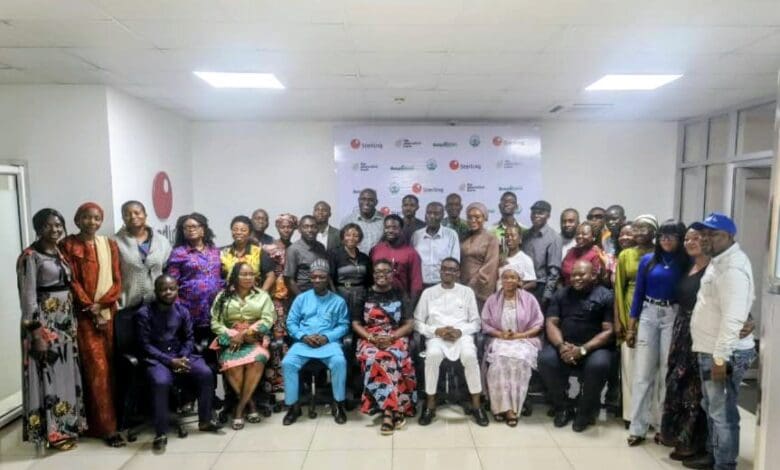
Sterling Financial Holding Company, through its Sustainability Working Group, has trained over 40 journalists on storytelling, financial sustainability and the use of technology in news reportage.
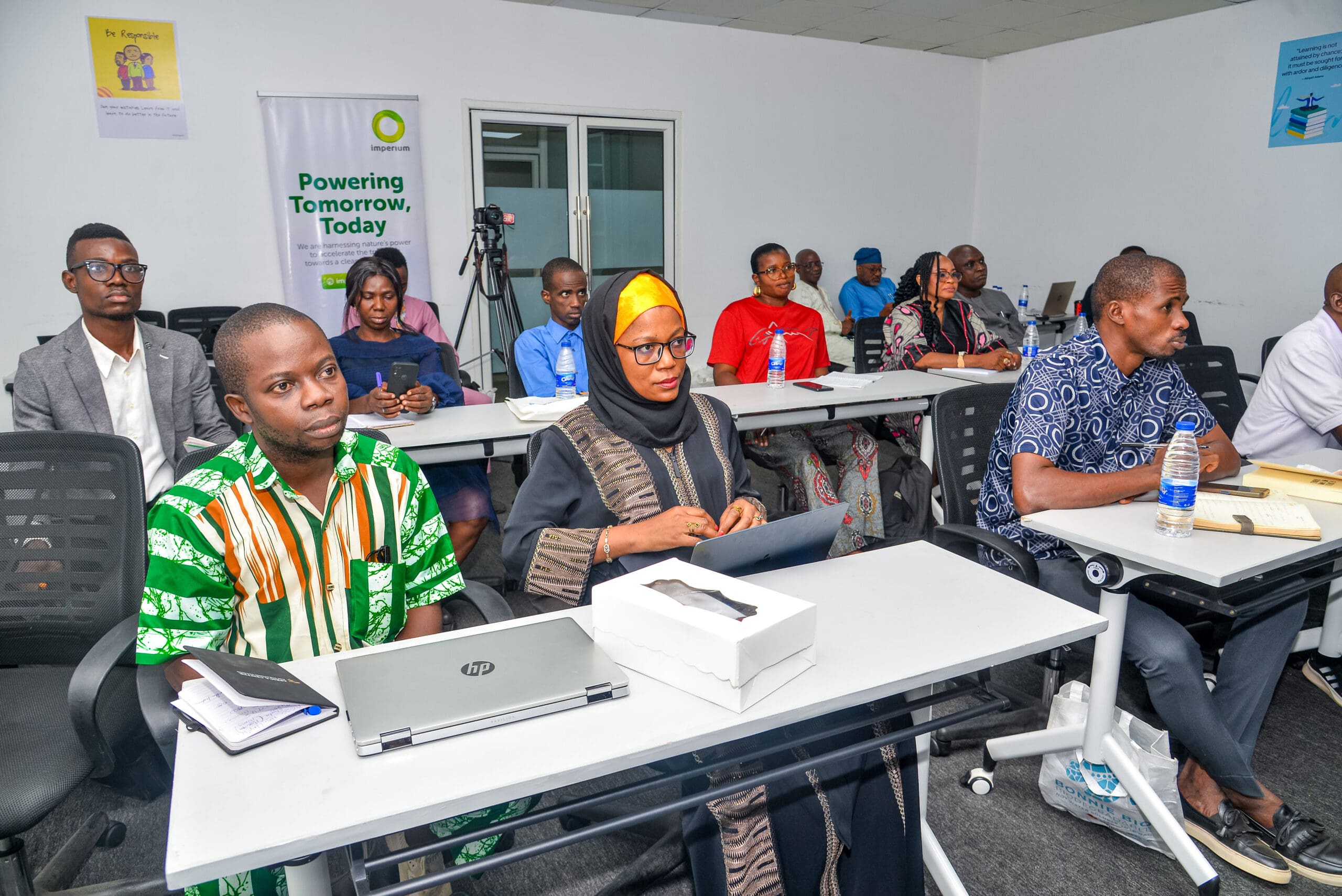
The two-day media sustainability capacity-building workshop, held on December 16 and 17 in Abuja, brought together journalists, editors and publishers from print, broadcast and online media organisations.
The programme formed part of activities to commemorate the 2025 Sustainability Week and was organised in collaboration with the Climate Africa Media Initiative and Centre (CAMIC) and NatureNews.
Sustainability Beyond the Environment
Speaking at the opening of the workshop, the Chairperson of the Sustainability Working Group of Sterling Financial Holdings Company, Mrs. Bunmi Ajiboye, said the initiative was expected to go beyond training and become a cornerstone of how Nigeria tells its story of progress, resilience and innovation.
She said the workshop was organised to empower media professionals for a new era in which sustainability is no longer just an environmental issue, but also a development, economic, innovation and people-centred conversation.
READ ALSO: Why Nigeria’s Economy Is Unshaken By Trump’s Threat: Key Data Insights
Explaining the role of context and the power of storytelling, Ajiboye said a story derives its strength from the person telling it, noting that stories shape understanding and influence society.
Power of Storytelling and National Progress
Reminding journalists of the authority they wield through storytelling, she said: “The story is only as true as the person who tells it. In other words, it is how the story is told that determines whether it will be believed, retold, resonate, and begin to shape culture, behaviour, practices and society.”
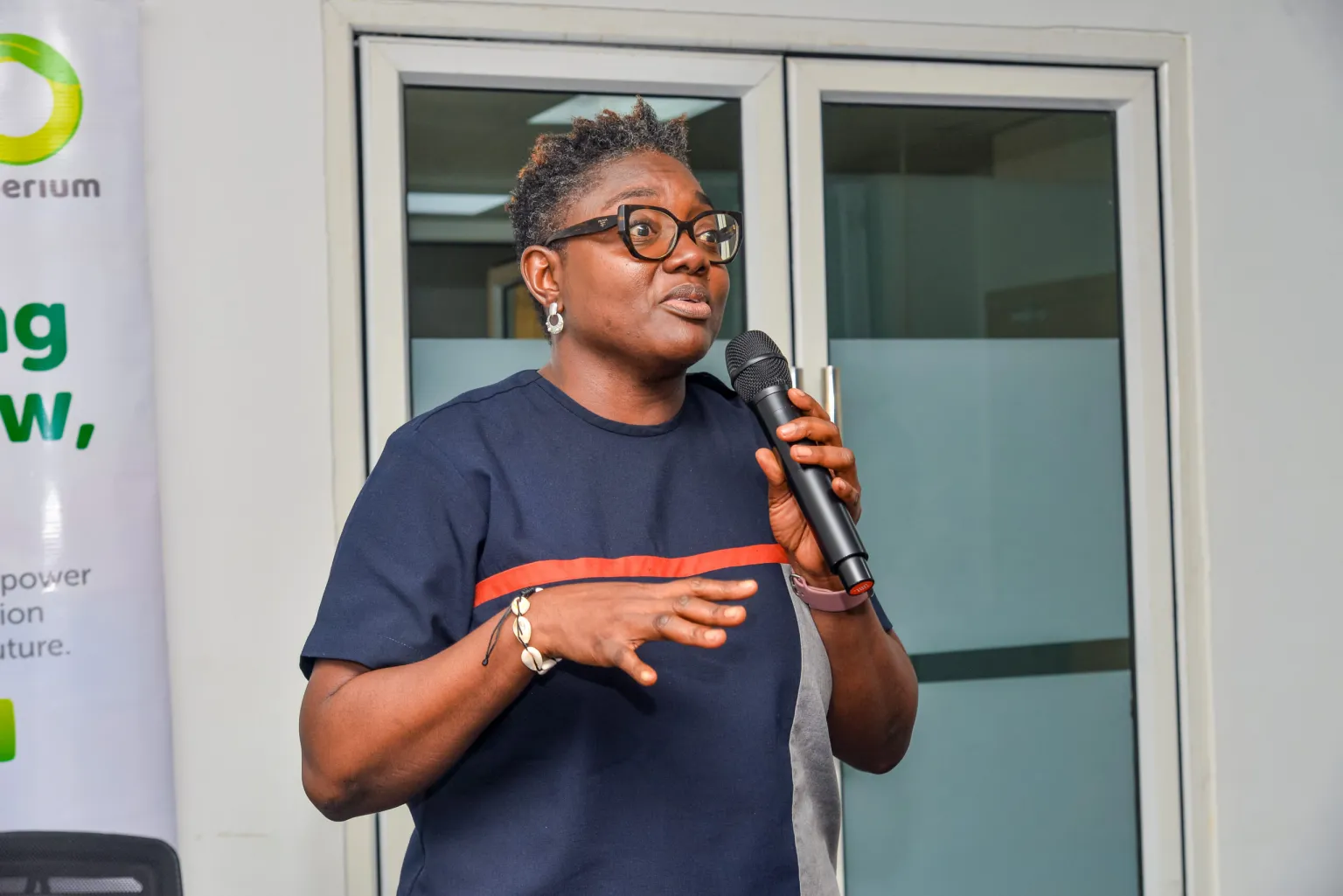
While sharing Sterling’s sustainability journey from financing renewable energy solutions and backing circular-economy start-ups to supporting climate-smart agriculture, education and empowering thousands of young people across the country , Ajiboye said the group had realised that while the work matters, the story is what ultimately shapes the nation.
READ ALSO: CBN Revokes Operating Licences of 2 Mortgage Banks
“What good is a breakthrough if no one hears it? What good is innovation if it isn’t translated into understanding? What good is national progress if it isn’t communicated in a way that inspires others?” she asked.
She also emphasised the critical role of the media in shaping sustainability narratives, saying journalists, editors, broadcasters and digital creators influence how Nigerians interpret sustainability, how policymakers understand urgency and how citizens perceive opportunity.
Ajiboye clarified that the Sterling Sustainability Working Group champions the sustainability mandate of Sterling Financial Holdings Company, which comprises Sterling Bank and Alternative Bank.
AI, Ethics and Responsible Journalism
The Editor of the International Centre for Investigative Reporting (ICIR), Victoria Bamas, delivered a session on “AI for Content Optimisation and Distribution,” exposing participants to the opportunities offered by artificial intelligence tools to improve speed and efficiency in news production.
She highlighted the relevance of AI in modern journalism while stressing responsible use and the importance of creativity.
READ ALSO: How SMEs can Adopt AI to Achieve $1trn Economy Target – Expert
The Publisher of NatureNews Media, Aliu Akoshile, took participants through a session on “Media Ethics and AI Risks,” addressing key issues around AI-generated content and authorship.
He identified risks such as misinformation, lack of accountability and copyright concerns, warning that misuse could lead to manipulation, deception and reputational damage, including libel.
Akoshile called for mitigation measures such as transparency, proper labelling and attribution, as well as the use of detection tools, fact-checking and improved media literacy.
Financial Sustainability in Media Practice
Speaking on financial sustainability in media management, Pius Alabi stressed the need for revenue diversification and innovation, noting that journalists and media organisations must adapt to ensure long-term financial viability.
He urged media organisations to manage cash flow prudently and avoid unrealistic budgeting.
Other resource persons at the workshop included a former Managing Director of Media Trust Ltd., Akogun Isiaq Ajibola, who spoke on sustainability in the media context, and a lecturer in the Department of Mass Communication, University of Abuja, Dr. Jamila Dahiru, who also spoke on AI for content optimisation and distribution.

Rafiyat Sadiq is a political, justice, and human rights reporter with Pinnacle Daily, known for fearless reporting and impactful storytelling. At Pinnacle Daily, she brings clarity and depth to issues shaping governance, democracy, and the protection of citizens’ rights.