
Tanzania has cancelled its Independence Day celebrations scheduled for December 9 following mounting calls for nationwide protests over mass killings linked to last month’s disputed general elections.
Prime Minister Mwigulu Nchemba announced the decision on Monday, saying funds earmarked for the national event would be redirected to repairing infrastructure damaged during the post-election unrest.
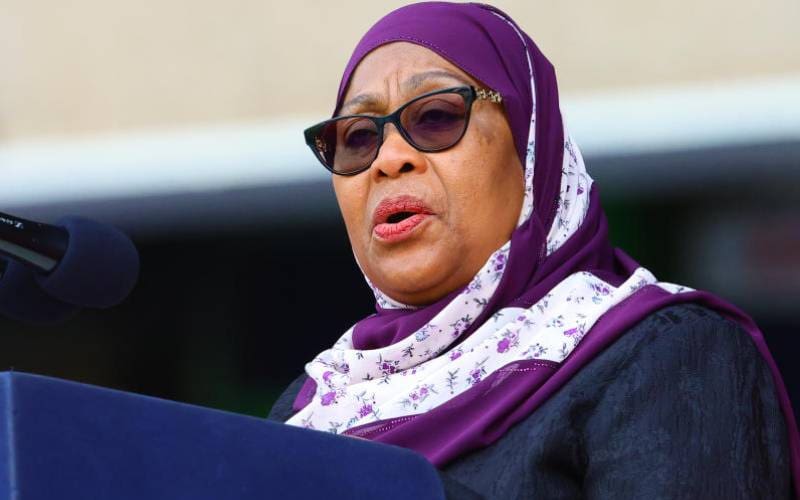
The move comes as the opposition urged citizens to gather on Independence Day to demonstrate against the killings reported after the October 29 polls. President Samia Suluhu Hassan secured 98 per cent of the vote, but opposition parties dismissed the result as “completely fabricated” and lacking credibility.
Election Marred by Violence
Several leading opposition figures were unable to contest. Chadema leader Tundu Lissu has been in detention since April on treason charges, while ACT-Wazalendo’s Luhaga Mpina was disqualified over technicalities.
Thousands took to the streets after the election, prompting a forceful crackdown by security agencies.
Rights groups described the response as “violent” and “repressive”. Opposition parties believe the death toll runs into the hundreds, although the government has not released any figures.
READ ALSO: Tanzanians Mourn As President Samia Takes Oath for Second Term
A commission of inquiry has been established, but the opposition has questioned its independence.
Nchemba urged citizens to avoid further violence and prioritise national dialogue.
“I urge my fellow Tanzanians to come together and discuss the issues affecting us. Let us not return to what we went through, because the consequences are irreparable,” he said.
President Hassan’s administration faces growing scrutiny at home and abroad over the handling of the election and the post-poll violence.

Rafiyat Sadiq is a political, justice, and human rights reporter with Pinnacle Daily, known for fearless reporting and impactful storytelling. At Pinnacle Daily, she brings clarity and depth to issues shaping governance, democracy, and the protection of citizens’ rights.