
As 92-year-old President Paul Biya of Cameroon begins his eighth term after 43 years in power, and 83-year-old President Alassane Ouattara of Côte d’Ivoire, who has ruled for 14 years since 2011, retains firm control following their back-to-back election victories, global debates over Africa’s deepening sit-tight syndrome, leadership succession, and constitutional manipulation have once again …

As 92-year-old President Paul Biya of Cameroon begins his eighth term after 43 years in power, and 83-year-old President Alassane Ouattara of Côte d’Ivoire, who has ruled for 14 years since 2011, retains firm control following their back-to-back election victories, global debates over Africa’s deepening sit-tight syndrome, leadership succession, and constitutional manipulation have once again taken centre stage.
Their renewed mandates, secured just days apart, amplify growing fears of a political culture that prizes long stays in power over genuine democratic transition.
Africa remains home to some of the world’s longest-serving presidents, many of whom have ruled for decades by amending constitutions, suppressing opposition, or exploiting political patronage networks, turning leadership into a lifetime pursuit.
Below is a list of the world’s top 10 longest-serving presidents and heads of state still in office as of 2025 — including their years in power and ages.
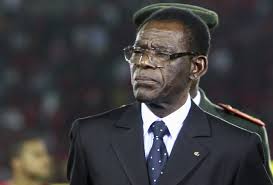
1. Teodoro Obiang Nguema Mbasogo – Equatorial Guinea (Since 1979)
Years in Power: 46 Age: 83
President Teodoro Obiang Nguema Mbasogo remains the world’s longest-serving leader, ruling Equatorial Guinea since seizing power in a 1979 coup that ousted his uncle, Francisco Macías Nguema.
His government is characterised by tight political control, oil wealth, and the suppression of dissent. While supporters credit him with stability and infrastructure growth, critics describe his rule as one of Africa’s most repressive.
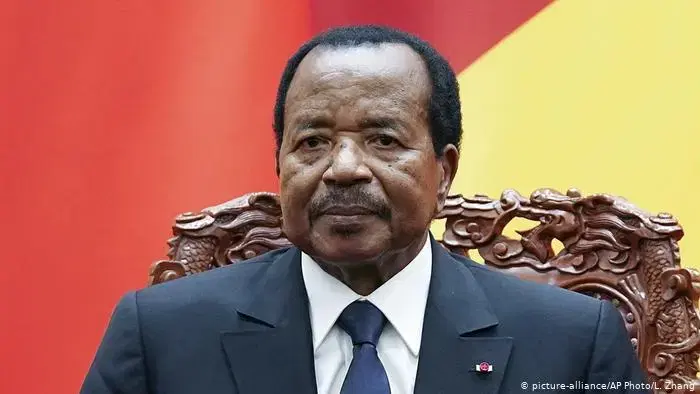
2. Paul Biya – Cameroon (Since 1982)
Years in Power: 43 Age: 92
The oldest serving head of state, Paul Biya, has led Cameroon for more than four decades. Taking office after Ahmadou Ahidjo’s resignation, Biya has maintained power through a mix of elections and constitutional changes.
READ ALSO: Cameroon’s Biya Declared Winner For the 8th Time in 43 years, Remains World’s Oldest President
Though credited for maintaining stability, his leadership faces criticism over electoral manipulation, centralised governance, and the prolonged Anglophone crisis in the country’s English-speaking regions.
3. Denis Sassou Nguesso – Republic of Congo (Since 1979, with break from 1992 to 1997)
Years in Power: 46 Age: 81
Denis Sassou Nguesso has shaped Congo-Brazzaville’s politics for nearly five decades. After losing power in 1992, he reclaimed it following a brutal civil war in 1997.
He has since entrenched his rule through constitutional changes and military dominance, ensuring his hold over national politics remains unchallenged.

4. Yoweri Museveni – Uganda (Since 1986)
Years in Power: 39 Age: 81
President Yoweri Museveni came to power after a guerrilla struggle that ousted Milton Obote in 1986.
Once hailed as a reformer, Museveni has since become a symbol of entrenched leadership in East Africa.
Constitutional amendments in 2005 and 2017 removed both term and age limits, allowing him to remain in office indefinitely.

5. Ali Khamenei – Iran (Since 1989)
Years in Power: 36 Age: 86
Ayatollah Ali Khamenei has led Iran for 36 years as the country’s Supreme Leader, exercising control over its politics, judiciary, and military.
Despite sanctions and internal unrest, Khamenei remains Iran’s ultimate authority, shaping the nation’s ideology and foreign policy since the death of Ayatollah Khomeini.

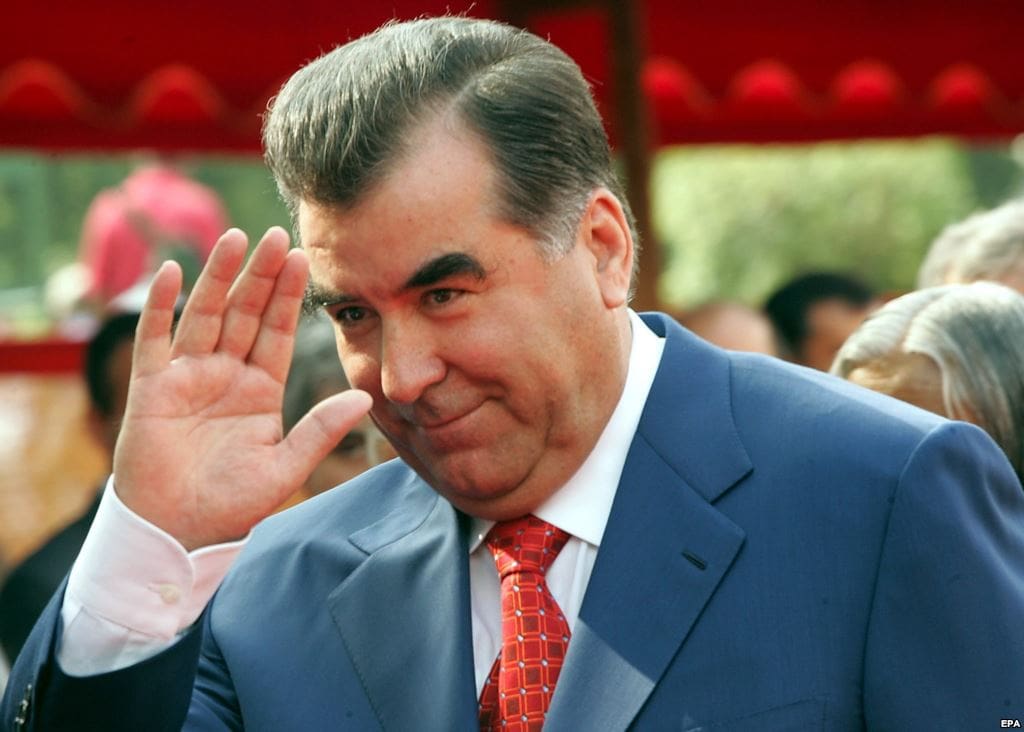
6. Emomali Rahmon – Tajikistan (Since 1992)
Years in Power: 33 Age: 68
Emomali Rahmon has ruled Tajikistan since the end of its civil war in 1992. His presidency is characterised by constitutional amendments extending term limits, centralised power, and limited political freedoms.
7. Isaias Afwerki – Eritrea (Since 1993)
Years in Power: 32 Age: 79
President Isaias Afwerki has ruled Eritrea since its independence from Ethiopia in 1993, making him the country’s only leader.
Operating without elections or a constitution, Eritrea under Afwerki is often described as one of the most closed societies in the world, heavily militarised and isolated.

8. Alexander Lukashenko – Belarus (Since 1994)
Years in Power: 31 Age: 69
Alexander Lukashenko has maintained an authoritarian grip on Belarus for more than three decades. His tenure is marked by repeated election controversies, suppression of opposition, and tight control over media and civil society.
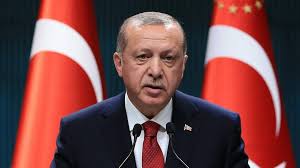
9. Recep Tayyip Erdoğan – Turkey (Prime Minister 2003–2014; President 2014–present)
Years in Power: 22 Age: 71
Erdoğan has dominated Turkish politics for more than two decades. First as Prime Minister, then as President, he has consolidated power through constitutional changes, executive reforms, and control of key institutions, drawing both domestic support and international scrutiny.
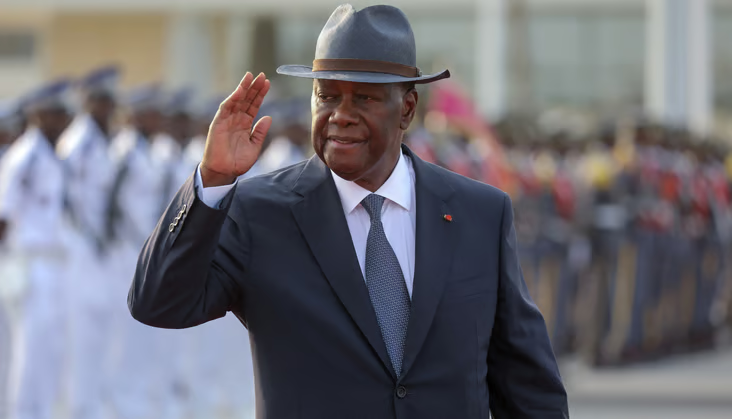
10. Alassane Ouattara – Côte d’Ivoire (Since 2011)
Years in Power: 14 (set to be 19 by 2030) Age: 83
A respected economist and former IMF official, Alassane Ouattara, became president after a disputed 2010 election that triggered a brief civil conflict.
After two re-elections, a constitutional revision in 2020 reset term limits, enabling him to seek additional mandates. Now in his fourth term, Ouattara will have ruled for 19 years by 2030, balancing economic progress with growing criticism over democratic backsliding.
Global Reflections
Political analysts say the persistence of long-serving leaders reveals deep institutional weakness, limited succession planning, and the personalisation of power.
While some nations have enjoyed relative stability and economic growth, others suffer democratic decline, corruption, and youth disillusionment.
As Paul Biya enters his fifth decade in office and Alassane Ouattara begins yet another term, the debate over leadership renewal in Africa grows sharper.
Observers warn that unless strong institutions replace personality-driven politics, power in many nations will remain a lifetime appointment rather than a democratic mandate.

Rafiyat Sadiq is a political, justice, and human rights reporter with Pinnacle Daily, known for fearless reporting and impactful storytelling. At Pinnacle Daily, she brings clarity and depth to issues shaping governance, democracy, and the protection of citizens’ rights.