
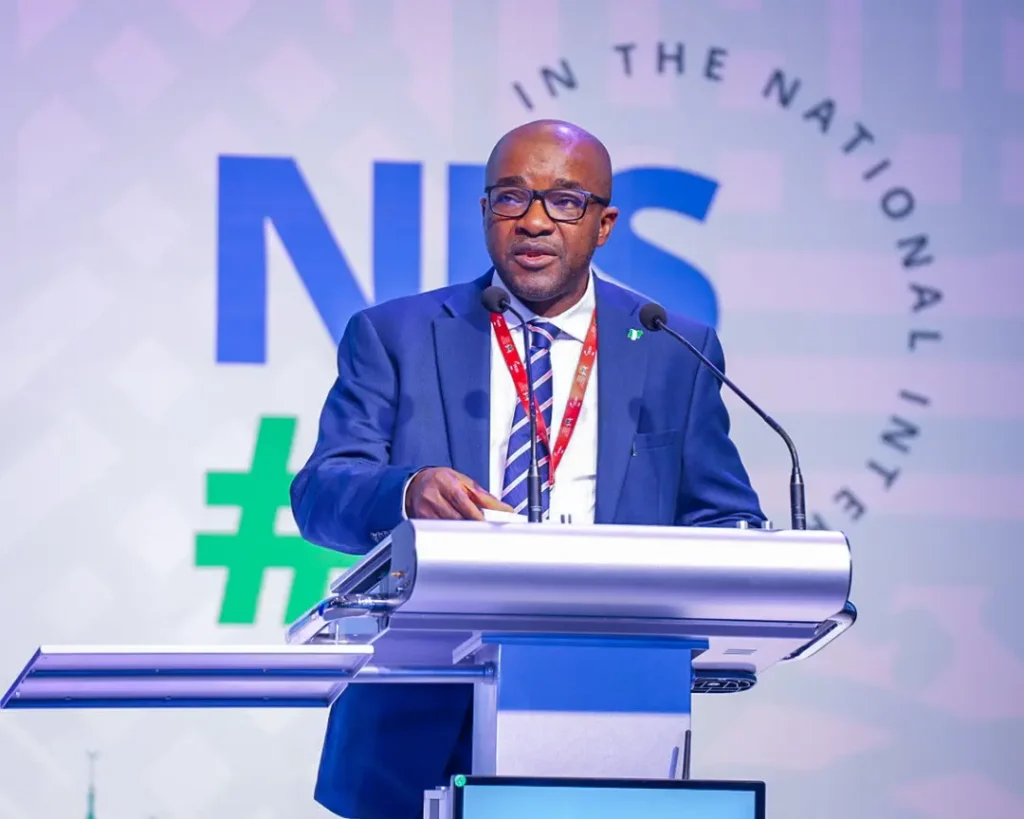
Nigeria must take the lead in driving Africa’s economic integration, regional resilience, and cross-border investment if the continent is to achieve inclusive and sustainable growth.
This was the position of Mr. Niyi Yusuf, Chairman of the Nigerian Economic Summit Group (NESG), during a high-level regional dialogue at the 31st Nigerian Economic Summit (NES31) held in Abuja.
Speaking before ministers, policy leaders, and private sector executives from across West Africa, Yusuf said Africa stands at a critical crossroad — one that requires urgent, collective action to unlock trade, investment, and productivity across borders.
Yusuf lamented that intra-African trade accounts for only 14.4 percent of total trade on the continent, far below the levels seen in other regions such as Europe (65 percent), Asia (58 percent), and North America (49 percent).
Despite hosting 17 percent of the world’s population and being home to some of the fastest-growing economies, Africa’s share of global trade remains a mere three percent, he said, noting that only 11 percent of cross-border investments originate from within the continent itself.
READ ALSO: How Stable Leadership, Merit-based Hiring Made MTN Nigeria an Industry Titan — Ndukwe
“Nigeria, as the largest economy in West Africa and the fourth-largest in Africa, bears both the responsibility and opportunity to lead in driving regional integration, spurring corporate expansion, and shaping the continent’s geopolitical and economic alignment,” Yusuf said.
Describing the shifting global landscape marked by trade tensions, supply chain disruptions, and climate shocks, Yusuf emphasized that “regional resilience and collaboration have become the new currency of global competitiveness.”
He pointed to the African Continental Free Trade Area (AfCFTA) covering a market of over 1.3 billion people and a combined GDP exceeding $1.9 trillion — as a transformative framework capable of lifting 30 million Africans out of poverty and adding $440 billion to Africa’s GDP by 2035 if effectively implemented.
However, he warned that such potential would remain unrealized unless African nations dismantle trade barriers, harmonize regulations, and mobilize local capital to drive continental growth.
Breaking Barriers, Building Bridges
Yusuf identified three critical dimensions for action:
- Enhancing cross-border partnerships among African governments and businesses;
- Addressing non-tariff barriers such as language, labor, and regulatory differences; and
- Mobilizing investment across borders through regional capital markets and de-risked financial instruments.
He cited Africa’s $100 billion annual financing gap, noting that the continent cannot rely indefinitely on external funding. Instead, he urged the deployment of domestic assets including Nigeria’s ₦20 trillion pension fund and Africa’s $2.9 trillion institutional assets to finance growth within.
“Imagine what could happen if even a fraction of our own resources were deployed to support trade and enterprise across the continent,” he said.
Yusuf cautioned that Nigeria’s domestic reform agenda would remain “incomplete and fragile” unless it aligns with continental transformation goals.
He said the NESG is committed to institutionalizing the ‘Rising Together’ platform to ensure that Nigeria’s reform blueprint embeds regional priorities and contributes to Africa’s collective economic and social progress.
“When Africa trades, invests, and grows together, Nigeria rises with it,” Yusuf declared. “We must therefore leverage this platform to deepen public-private partnerships and chart a future where prosperity knows no borders.”
READ ALSO:139 Million Nigerians Still Poor Despite Economic Reforms-World Bank
The 31st Nigerian Economic Summit (NES31), themed “The Reform Imperative: Rebuilding a Prosperous and Inclusive Nigeria by 2030,” convened policymakers, business leaders, and regional partners to discuss strategies for accelerating reforms, resilience, and regional growth.
The NESG announced that the next summit will hold on October 26 and 27, 2026.

Esther Ososanya is an investigative journalist with Pinnacle Daily, reporting across health, business, environment, metro, Fct and crime. Known for her bold, empathetic storytelling, she uncovers hidden truths, challenges broken systems, and gives voice to overlooked Nigerians. Her work drives national conversations and demands accountability one powerful story at a time.