

As Nigeria joins the world to mark World Health Day 2026, health experts and advocacy groups have warned that the country’s health system is under serious threat posed by chronic underfunding, weak policy implementation, and a rising disease burden.
The Corporate Accountability and Public Participation Africa (CAPPA) has called on governments at all levels to move beyond rhetoric. The group urged leaders to take urgent, evidence-based action to fix the weaknesses in Nigeria’s health system.
CAPPA noted that Nigeria has failed to meet the 15 per cent health spending benchmark under the Abuja Declaration for over a decade. In many cases, the government approves funds but does not release them. This leaves key health projects underfunded and incomplete.
A System Starved of Funds
Recent budget figures highlight the depth of the problem. In January 2025, the Federal Ministry of Health and Social Welfare received only N36 million out of N218 billion approved for capital projects. This limited the ministry’s ability to carry out planned work.
In 2024, the situation was similar. The government released just N26.552 billion out of N233.656 billion set aside for capital spending. This gap between budget approval and actual release continues to weaken the system.
CAPPA says this shortfall has damaged healthcare delivery across the country. It has also worsened health outcomes for millions of Nigerians.
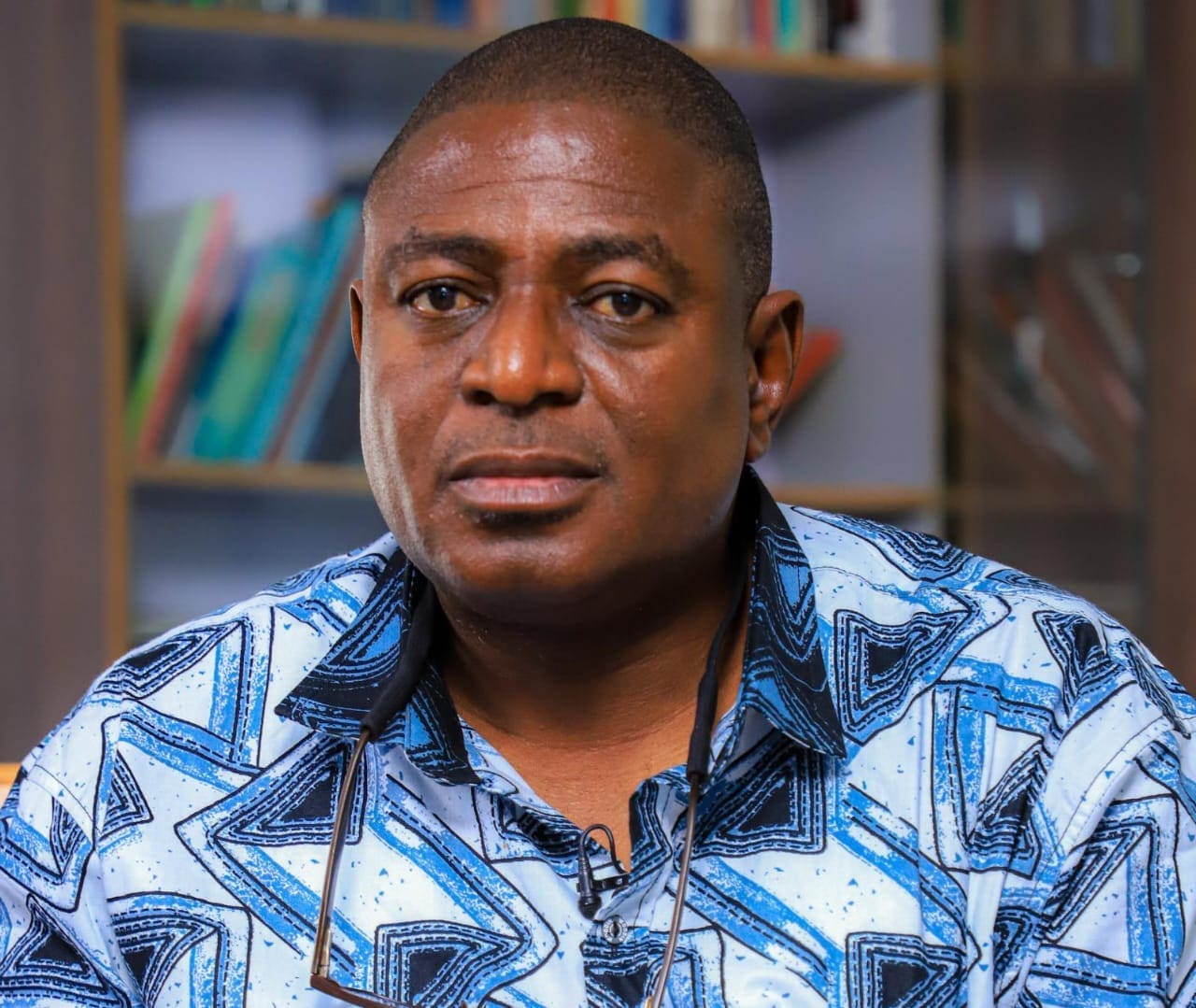
Akinbode Oluwafemi, Executive Director of CAPPA, said the impact is clear in everyday life. He explained that many Nigerians struggle to access essential medicines. He also noted that health facilities are overstretched.
READ ALSO:
- Nigeria Faces Triple Disease Burden, Health Ministry Warns
- Nigeria’s Medical Tourism Plummets 96% as Local Healthcare Capacity Surges
- Death By Misinformation: How 15-year-old Boy Lost His Life over Drug Abuse
- The Healthcare Rights Most Nigerians Don’t Know They Have
He added that Nigeria faces a growing shortage of health workers. Many professionals have left the country in search of better opportunities abroad, a trend known as “Japa.”
Oluwafemi also highlighted the high cost of healthcare. Most Nigerians pay out of pocket, which pushes many families into financial hardship. At the same time, the burden of disease continues to rise.
CAPPA raised concern about the growing number of non-communicable diseases (NCDs) in Nigeria. These include hypertension, diabetes, obesity, and heart disease.
The group said these diseases now account for about 29 per cent of all deaths in the country. This marks a shift from infectious diseases to chronic illnesses as a major public health threat.
Experts say poor diet drives this trend. Many people consume too much salt, sugar, and unhealthy fats. Public awareness remains low, and regulation is weak.
CAPPA said Nigeria must focus more on prevention. It called for policies that promote healthy lifestyles and reduce exposure to harmful foods.
Policy Action: Backing Science with Evidence
The organisation referenced this year’s World Health Day theme, “Together for health: Stand with science.” It urged the government to adopt policies based on evidence.
One key recommendation is a review of the Sugar-Sweetened Beverage (SSB) tax. CAPPA welcomed efforts by lawmakers to move from a fixed tax to a percentage-based system tied to retail prices.
However, the group said the current tax remains too low to reduce consumption.
Oluwafemi called for a tax increase to at least 50 per cent of the retail price. He said this aligns with the World Health Organisation’s recommendations. He explained that higher taxes can reduce consumption and raise funds for health services.
CAPPA also called for mandatory sodium limits in processed foods. The group said reducing salt intake can help prevent high blood pressure and heart disease.
It urged the government to introduce clear warning labels on packaged foods. These labels would help consumers make better choices quickly.
The organisation also called for stricter rules on how unhealthy foods are marketed. It said children must receive stronger protection from targeted advertising.
CAPPA described these measures as key tools in fighting diet-related diseases. It said Nigeria faces a “silent epidemic” that continues to grow.
Tobacco Control: Underfunded and Overlooked
CAPPA also raised concerns about tobacco use and nicotine products. It said funding for tobacco control remains too low.
The group noted that the government allocates only N13 million to the Tobacco Control Fund. It said this amount is not enough to enforce the National Tobacco Control Act.
CAPPA called for an increase to at least N300 million.
Oluwafemi said tobacco remains one of the leading causes of preventable deaths in Nigeria and across the world. He warned that low funding will weaken efforts to control its use.
CAPPA urged all levels of government to release health funds on time. It also called for better transparency and accountability in the health sector.
The organisation said Nigeria must increase investment in both prevention and treatment. It stressed that prevention should form the core of the country’s health strategy.
CAPPA added that stronger policies, better funding, and strict enforcement will help build a stronger health system.
As Nigeria marks World Health Day 2026, experts say the message is clear. The country must back science with action and close the gap between policy and implementation.
Without urgent reforms, Nigeria risks deepening its health crisis. This could affect not only current citizens but also future generations.

Esther Ososanya is an investigative journalist with Pinnacle Daily, reporting across health, business, environment, metro, Fct and crime. Known for her bold, empathetic storytelling, she uncovers hidden truths, challenges broken systems, and gives voice to overlooked Nigerians. Her work drives national conversations and demands accountability one powerful story at a time.