

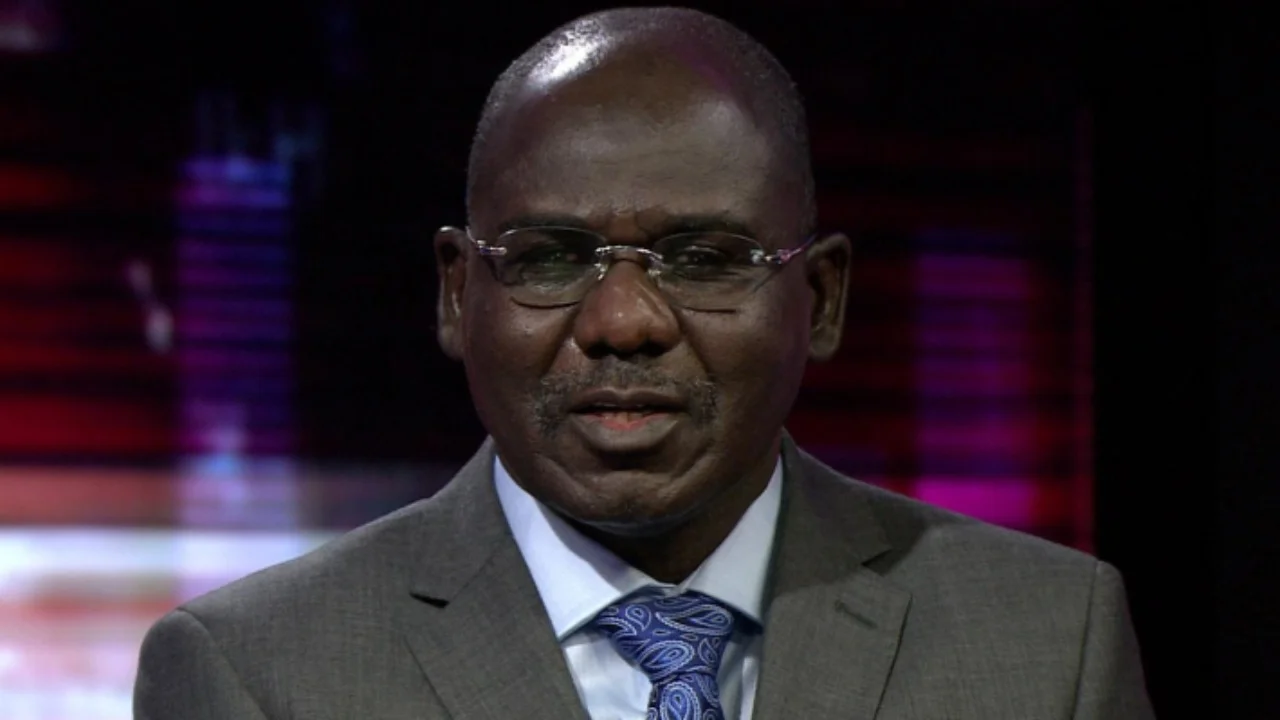
Former Chief of Army Staff Lt-Gen. Tukur Buratai (retd) has warned that Nigeria’s worsening insecurity could soon put top government officials—including ministers, senators and governors—within the reach of armed criminal groups if urgent intervention is not taken.
He issued the warning on Sunday while reacting to the reported killing of retired Major General Abubakar Rabe by bandits, describing the incident as a troubling sign of expanding criminal boldness across the country.
Buratai said the killing of a senior military officer reflects a new and dangerous phase in the country’s security crisis, where armed groups are becoming increasingly emboldened and operationally sophisticated.
“If this trend continues unchecked, the next targets may not be soldiers or civilians alone. They could include ministers, senators, and even state governors. No leader will be immune,” he warned.
A prediction, he says, is unfolding
The former army chief recalled that he had earlier cautioned in 2021 that insurgency and banditry could persist for years without decisive action.
According to him, recent developments confirm those fears.
“The capture, torture and eventual killing of a senior military officer, Major General Rabe Abubakar, is not merely a tragedy; it marks a dangerous threshold,” he stated.
He noted that armed groups now operate with improved intelligence networks and more advanced weaponry, making them a greater threat to national stability.
Buratai criticised the continued reliance on ransom payments and negotiations with criminal elements, arguing that such approaches only strengthen their operations.
“The current reactive strategy, paying ransoms and negotiating with criminals, must end. It is time for a full-scale, coordinated military and intelligence offensive,” he said.
Push for unified security command
He also recommended the establishment of a unified security command structure to oversee operations in high-risk states, saying bureaucratic delays weaken response effectiveness.
“The federal government should establish a unified command with direct authority over all security agencies operating in high-risk states,” he advised.
Buratai further called for the identification and prosecution of individuals who support criminal networks through illegal mining, ransom mediation and other forms of collaboration.
READ ALSO:
- June 12: Insecurity Threatens 2027 Elections, Democracy Gains, CAPPA Warns
- How Unpatriotic Nigerians Exploit Insecurity for Political Gain – Gov. Yusuf
- Nigeria’s Democracy at 27: How Security Landscape Fractured Over the Years
- How Money Laundering Empires Feed Violence in Nigeria
“Bandits do not survive on AK-47s alone. They rely on networks of corrupt middlemen, illegal miners, ransom negotiators and local collaborators,” he said.
He insisted that dismantling these support systems is critical to weakening armed groups and restoring national security.
Buratai concluded that only a sustained, coordinated national security strategy can reverse the current trajectory and rebuild public confidence in the state’s ability to protect lives and property.

Esther Ososanya is an investigative journalist with Pinnacle Daily, reporting across health, business, environment, metro, Fct and crime. Known for her bold, empathetic storytelling, she uncovers hidden truths, challenges broken systems, and gives voice to overlooked Nigerians. Her work drives national conversations and demands accountability one powerful story at a time.