

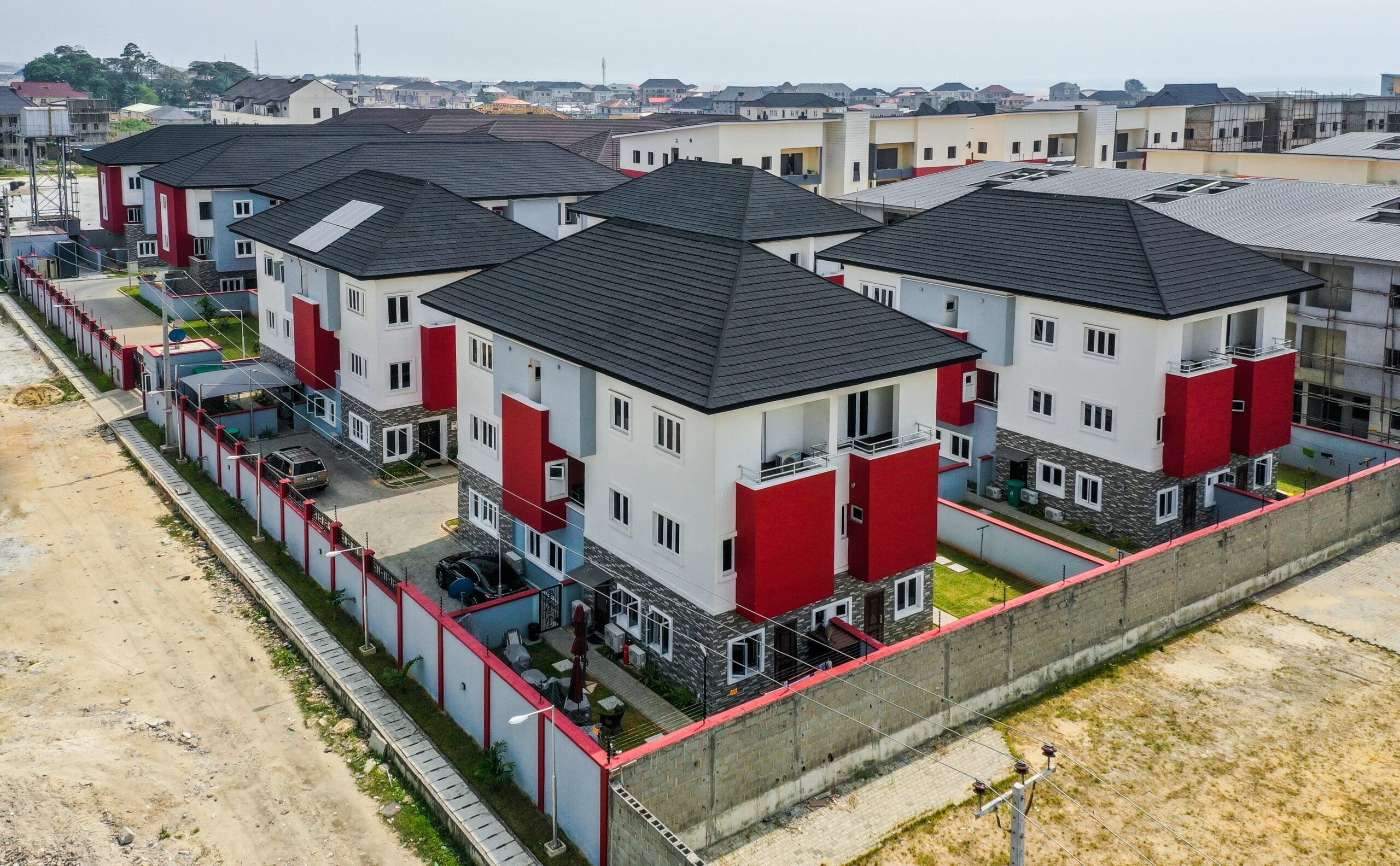
For many Nigerians, owning property in prime Lagos locations such as Lekki, Ikoyi or Victoria Island remains a lifetime ambition. Rising property prices, however, have placed such investments beyond the reach of most salary earners.
But investment analysts say there is an alternative that allows retail investors to gain exposure to income-generating real estate without buying a house or managing tenants: a Real Estate Investment Trust (REIT).
The investment vehicle has again come into focus after SFS Real Estate Investment Trust (SFS REIT) reported stronger earnings for the first half of 2026, supported by rental income and returns from its portfolio of premium residential properties across Lagos.
The figures, highlighted in an investment commentary by Ikpikpini Eseoghene Gift and contained in the REIT’s unaudited half-year financial statements filed with the Nigerian Exchange (NGX), underscore how listed property trusts are providing investors with another avenue to participate in Nigeria’s real estate market.
What is a REIT?
A real estate investment trust is a company or trust that owns, operates or finances income-producing real estate. Instead of purchasing an entire property, investors buy units in the trust, which pools capital to acquire and manage properties.
Rental income and other investment returns generated by the portfolio are then distributed to investors, subject to the trust’s distribution policy and applicable regulations.
READ ALSO:
- FCCPC Seals Paradise Estate Abuja Over Housing Delivery Complaints
- Rebased GDP Reveals Shift in Economic Structure as Real Estate Surpasses Oil
- Outrage Trails Lagos Govt Solar Permit Fees for Residential Estates
According to the U.S. Securities and Exchange Commission (SEC), REITs were created to give investors an opportunity to invest in diversified portfolios of real estate assets in much the same way they invest in listed companies through the stock market.
Similarly, Nigerian Exchange Limited (NGX) describes REITs as investment vehicles that enable investors to participate in the real estate market while enjoying liquidity through exchange-traded units.
SFS REIT posts stronger half-year performance
According to SFS REIT’s unaudited financial statements for the six months ended June 30, 2026, the trust delivered improved financial performance.
Highlights include:
- Total income increased by 29% to ₦272.4 million
- Rental income rose 16.8% to ₦122.7 million
- Net income reached ₦200.75 million
- Earnings per unit increased from ₦8.32 to ₦10.04
- ₦566 million was distributed to unitholders during the period
The trust owns residential assets across several high-end Lagos estates, including Milverton Estate, Victory Park Estate, Bourdillon Court, Sapphire Gardens Awoyaya, Victoria Crest Estate, Northern Foreshore Estate, Cromwell Estate and Maben Estate.
Its Milverton property alone was valued at approximately ₦2.3 billion, while Victory Park Estate was valued at about ₦1.08 billion, according to the interim report.
For the 2025 financial year, the trust declared a distribution of ₦28.30 per unit to investors.
Growing interest in real estate investing
In her commentary accompanying the analysis, Gift argued that REITs demonstrate how ordinary investors can benefit from premium real estate without directly purchasing expensive properties.
“Ordinary investors collecting income from premium Lagos real estate without buying a single plot of land… it is proof that the mechanism works,“ she wrote.
He noted, however, that investors should not view past distributions as guarantees of future returns because REIT performance depends on rental income, occupancy levels, property valuations and operating expenses.
REITs remain a small but growing asset class
Nigeria’s REIT market remains relatively underdeveloped compared with larger markets such as South Africa, the United States and the United Kingdom.
The Nigerian Exchange currently lists only a handful of REITs, including SFS REIT, UPDC REIT and Union Homes REIT.
While the market offers investors exposure to commercial and residential real estate, analysts note that trading volumes are relatively low, meaning investors may need more time to buy or sell units than they would with highly liquid banking or consumer goods stocks.
Why REITs matter
Property prices in Lagos have climbed significantly over the past decade, driven by rapid urbanisation, population growth and rising construction costs. As a result, direct ownership of investment-grade real estate has become increasingly difficult for many middle-income Nigerians.
REITs lower that barrier by allowing investors to participate with comparatively smaller amounts while receiving periodic distributions from rental income.
The National Association of Real Estate Investment Trusts (Nareit), the global industry association for REITs, says the structure enables investors to access professionally managed, income-producing real estate while benefiting from diversification and liquidity.
“REITs give investors the ability to invest in portfolios of real estate assets the same way they invest in other industries—through the purchase of individual company stock or through mutual funds and exchange-traded funds,“ Nareit states in its investor education materials.
Risks remain
Financial advisers caution that REITs are not risk-free investments.
Returns can fluctuate depending on property occupancy, rental collections, maintenance costs, interest rates and movements in the broader property market. Like equities, listed REIT units can also rise or fall in value depending on investor sentiment and market conditions.
As with any investment, experts recommend that investors assess their financial goals, risk tolerance and investment horizon before committing capital.
For many retail investors, however, REITs continue to provide one of the few regulated avenues for participating in Nigeria’s premium real estate market without the substantial capital required to buy physical property outright.

Sunday Michael Ogwu is a Nigerian journalist and editor of Pinnacle Daily. He is known for his work in business and economic reporting. He has held editorial roles in prominent Nigerian media outlets, where he has focused on economic policy, financial markets, and developmental issues affecting Nigeria and Africa more broadly.