

In a bid to ease growing concerns among Nigerians, the federal government has announced a delay in the implementation of the new tax law, including the controversial 5% fuel surcharge, until January 1, 2026.
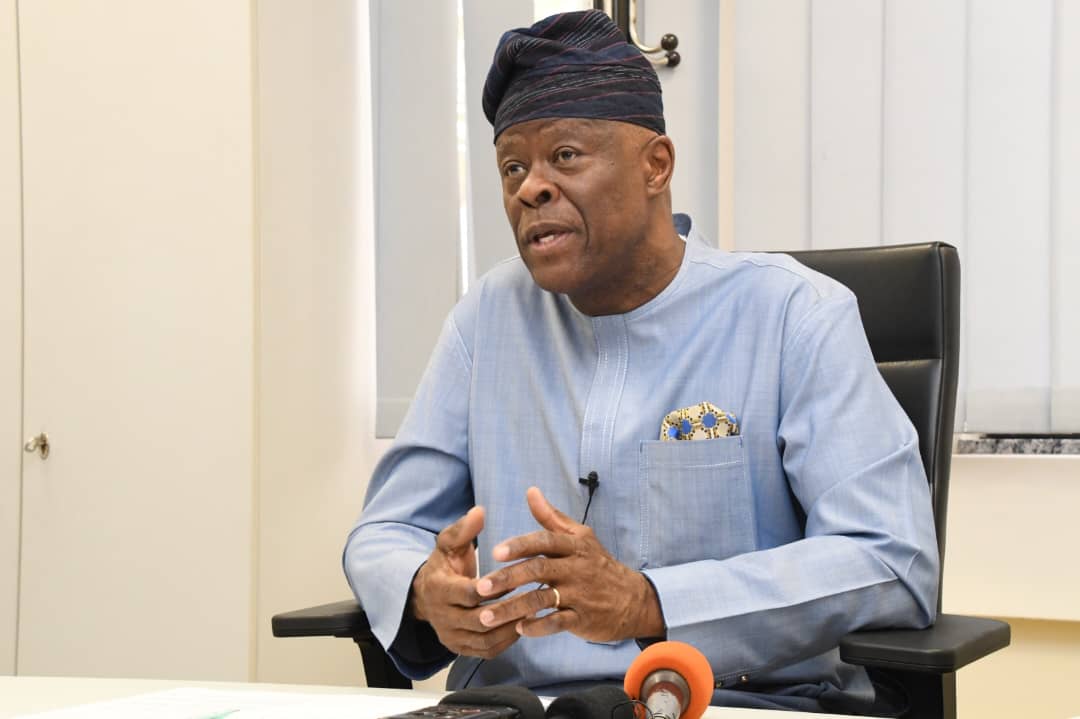
Finance Minister Wale Edun made this revelation on Tuesday, attempting to quell fears of an even greater strain on household budgets amid Nigeria’s ongoing economic hardship.
Government’s Position
Speaking to reporters in Abuja, Edun explained that the surcharge, which targets petrol, diesel, and other fossil fuels, required a formal proclamation and an official order signed by the finance minister to be published in the National Gazette before it could take effect.
“The order will not be issued immediately. The government is aware of the current economic situation and will not deliberately increase the burden on Nigerians,” he assured.
Economic Reforms and Rising Public Pressure
The delay is seen as a response to the mounting pressure on Nigerians, who have been grappling with significant inflation, rising costs of basic goods, and the aftereffects of sweeping reforms initiated by President Bola Tinubu since taking office in 2023.
READ ALSO: Net Assets Remain Negative as PZ Cussons Returns N10bn Profit
In a series of bold economic moves, Tinubu’s administration ended subsidies on petrol and electricity, devalued the naira twice, and introduced several measures aimed at boosting Nigeria’s sluggish economic growth.
However, these changes have triggered what many consider the worst cost-of-living crisis in a generation.
Fuel Surcharge and Its Implications
The fuel surcharge, a key component of the new Nigeria Tax Act signed into law in June 2023, is designed to harmonise the country’s tax framework and enhance revenue generation for the government.
Although Edun emphasised that the surcharge was not a new tax, its inclusion in the new act has sparked debate.
He clarified that the surcharge was based on a 2007 law, and its inclusion was intended to streamline the tax system and improve fiscal transparency. “This is a move for harmonisation and transparency,” he said.
The Challenge of Rising Costs and Inflation
The proposed fuel surcharge has raised concerns about its impact on already struggling Nigerians, especially in the context of the removal of fuel subsidies, which had long been a major government support mechanism for low-income households.
The increased cost of petrol has driven up transport costs, which, in turn, have affected the price of goods and services across the country.
As a result, many Nigerians have seen a significant drop in their purchasing power, with inflation running high and wages failing to keep pace with the rising costs of living.
Temporary Relief and Future Economic Concerns
Edun’s announcement of the delay is aimed at providing some breathing room for Nigerians as the government continues to navigate the delicate balance of implementing necessary economic reforms while trying to minimise the social and political fallout from the hardship these changes have brought.
The fuel surcharge, which would further increase the price of fuel, is seen by many as an additional burden on an already strained populace.
The Long-Term Outlook: Can Reforms Deliver?
While the delay has provided a temporary reprieve, the broader economic challenges remain.
The president’s decision to end fuel and electricity subsidies, although seen as necessary for long-term fiscal sustainability, has resulted in a dramatic spike in the cost of living.
The devaluation of the naira, which has seen the currency lose significant value against the dollar, has further fuelled inflationary pressures, making imported goods and services even more expensive for Nigerians.
READ ALSO: FG Directs NCAA to Shame Airlines Flouting Aviation Rules
Despite these challenges, the Nigerian government has continued to emphasise that these economic reforms are crucial for positioning the country for sustained growth and development.
The hope is that, over time, these painful reforms will lead to greater economic diversification, reduced dependence on oil, and improved public sector revenue generation.
However, the results of these reforms have yet to materialise, and many Nigerians remain sceptical about their long-term benefits.
What Lies Ahead for Nigerian Households?
The government’s move to delay the fuel surcharge is a recognition of the precarious situation many Nigerians find themselves in and a response to mounting public criticism.
While the delay may provide some relief in the short term, questions remain about the future trajectory of Nigeria’s economic policies and their impact on the average citizen.
For now, the focus will likely remain on the government’s ability to navigate these reforms without exacerbating the living conditions of millions of Nigerians.
The Road to Economic Stability
As the delay of the fuel surcharge offers temporary respite, Nigerians will be watching closely to see if further economic measures, including the full implementation of the new tax law, will lead to tangible improvements in their daily lives or deepen the ongoing financial crisis

Sunday Michael Ogwu is a Nigerian journalist and editor of Pinnacle Daily. He is known for his work in business and economic reporting. He has held editorial roles in prominent Nigerian media outlets, where he has focused on economic policy, financial markets, and developmental issues affecting Nigeria and Africa more broadly.